Age Verification Laws Raise Sweeping Privacy Concerns
Mandatory age checks online are expanding fast, but critics warn they double as mass surveillance infrastructure few voters endorsed.
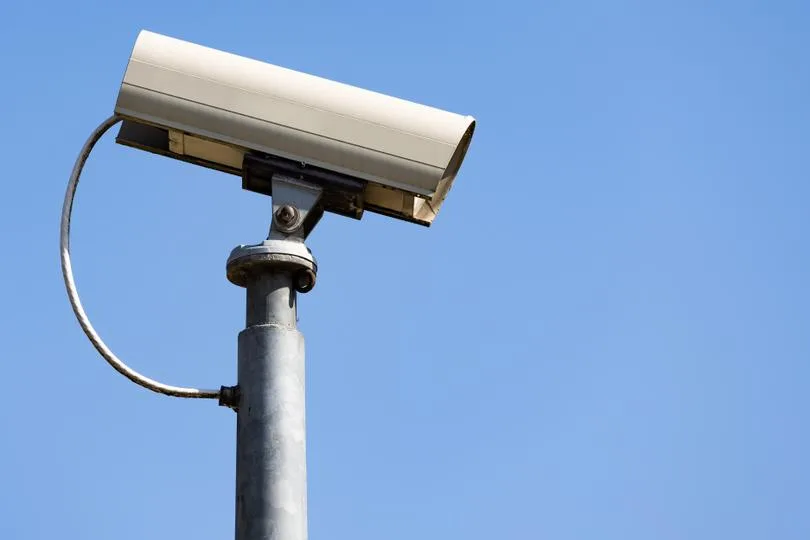
A growing wave of state and federal proposals requiring online age verification is drawing fierce pushback from privacy advocates who argue the mandates quietly build a surveillance architecture that the public never explicitly approved. The debate pits child-safety imperatives against civil-liberties concerns, with digital-rights groups warning that collecting identity data at scale creates risks far beyond their stated purpose.
Age verification systems, as currently proposed or enacted in several U.S. states, typically require users to submit government-issued identification or biometric data before accessing certain websites. Proponents frame the measures as necessary guardrails to shield minors from adult content and online harms. Critics counter that the same systems hand platforms — and potentially governments — a persistent record of who is browsing what and when.
Read more Kevin Warsh Reveals Fed Task Force Members, Including Andreessen and McMillon →
The core tension is structural: any mechanism robust enough to confirm a user's age reliably must, by definition, collect enough personal data to identify that user. Privacy researchers note that once such databases exist, they become targets for breaches, subpoenas, and mission creep. The question of who stores the data, for how long, and under what legal constraints remains largely unresolved in most legislative proposals.
Digital-rights advocates argue that less invasive alternatives — such as device-level controls or anonymized credential systems — have been sidelined in favor of approaches that maximize data collection. The political calculus, they suggest, favors visible action on child safety over harder engineering work that would preserve anonymity.
The stakes extend well beyond any single platform or state law. If age verification becomes a universal gateway requirement across the internet, it could effectively end anonymous online access in the United States — a structural shift with profound implications for free expression, journalism, and political dissent. Continue reading at CoinDesk.