ASML Denies Selling EUV Chipmaking Equipment to China
Dutch chipmaking giant ASML has denied reports that it sold advanced EUV lithography tools to China amid US concerns.
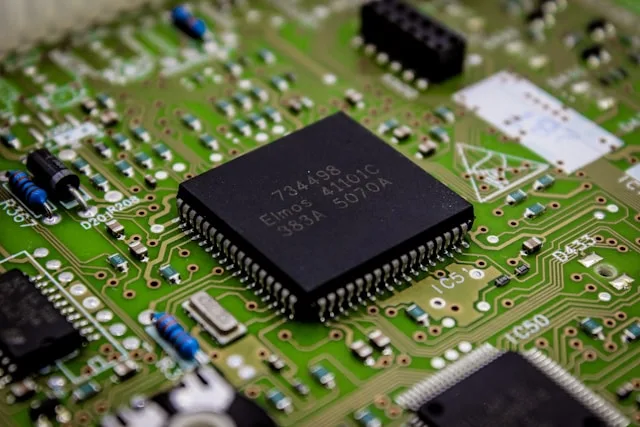
Dutch semiconductor equipment maker ASML Holding N.V. issued a formal denial Wednesday, pushing back against reports that the company had sold its cutting-edge extreme ultraviolet (EUV) lithography machines to Chinese customers — a move that would have alarmed Washington amid its sweeping campaign to restrict Beijing's access to advanced chip manufacturing technology.
EUV lithography tools are widely considered the most critical equipment in producing the world's most advanced semiconductors. ASML holds a global monopoly on the machines, which use ultraviolet light to etch microscopic circuits onto silicon wafers, enabling the production of chips found in AI systems, smartphones, and military hardware. The United States has long pressured the Netherlands to block ASML from exporting these systems to China.
Read more Why Disney and Apple Never Completed Their Near-Merger →
The denial comes as geopolitical tensions over semiconductor supply chains remain at a boiling point. Washington has spent the past several years tightening export controls designed to prevent China from acquiring the technology needed to produce advanced chips domestically, viewing such capabilities as a potential national security threat. ASML, caught between its largest potential growth market and the demands of US and Dutch regulators, has repeatedly navigated this diplomatic minefield.
ASML's public rebuttal suggests the company is keenly aware of the reputational and regulatory risks associated with any perception that its most advanced tools are reaching Chinese fabs. The company had already been prohibited from shipping EUV systems to China under export licensing rules put in place by the Dutch government following US pressure. Any confirmed sale would have represented a significant breach with major legal and diplomatic consequences for the Veldhoven-based firm.
The episode underscores just how volatile the intersection of global trade, technology policy, and national security has become for companies operating at the frontier of semiconductor manufacturing. Continue reading at Yahoo Finance.