Chinese Fraud Rings Steal Up to $1 Billion Yearly via Tap-to-Pay Scams
Chinese organized crime groups are netting up to $1 billion a year by exploiting tap-to-pay systems at retailers and banks across the US.
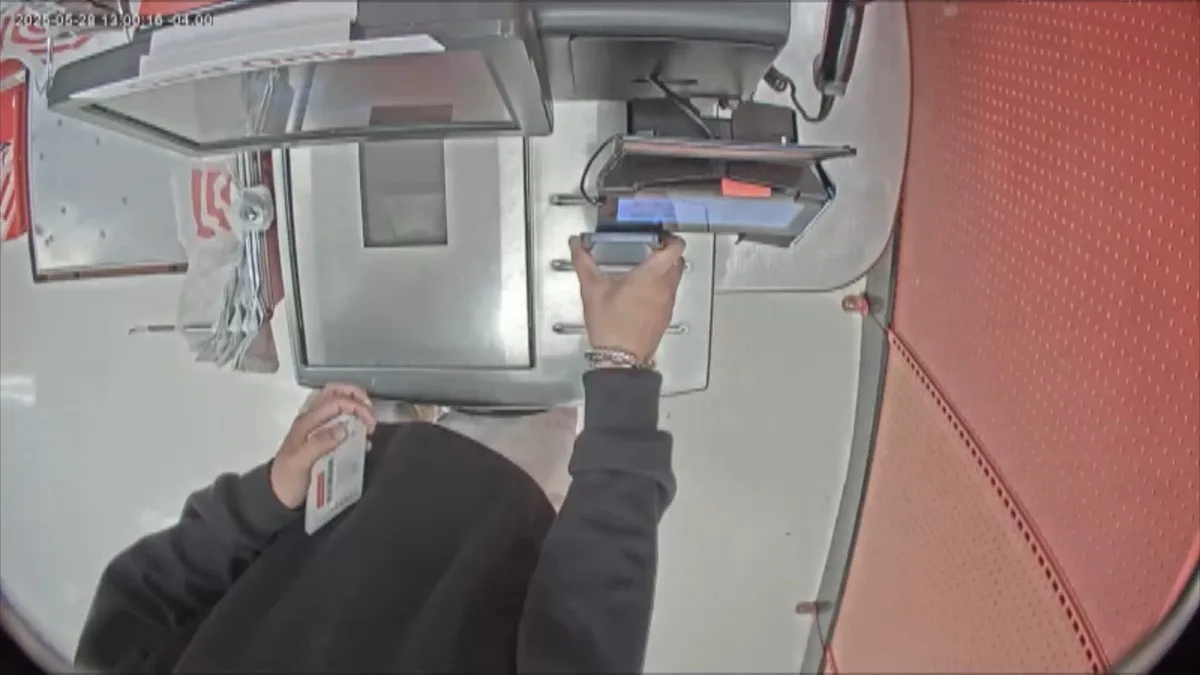
Chinese organized crime networks are generating as much as $1 billion annually by running sophisticated tap-to-pay fraud operations aimed squarely at American retailers and financial institutions, according to reporting from US Top News and Analysis. The scale of the criminal enterprise underscores a growing vulnerability in contactless payment infrastructure that banks and merchants have been slow to fully address.
Tap-to-pay technology, widely adopted for its speed and convenience, has become an unexpected attack surface for these transnational fraud rings. By exploiting weaknesses in the system, operatives are able to process unauthorized transactions at point-of-sale terminals, siphoning funds in ways that can be difficult to detect in real time. The sheer volume of small-to-mid-size transactions makes early identification a persistent challenge for fraud prevention teams.
Read more Apple Targets Former Employees in OpenAI Trade-Secrets Fight →
The billion-dollar annual figure points to a highly organized, scalable operation rather than opportunistic street-level crime. Analysts note that transnational crime groups with deep technical resources are increasingly pivoting toward financial fraud, which carries lower risk and higher reward compared to other criminal enterprises. The involvement of structured rings also means tactics evolve rapidly in response to countermeasures deployed by banks and payment processors.
For consumers, the rise of these schemes raises urgent questions about liability and reimbursement when contactless payment accounts are compromised. Financial institutions and retailers face mounting pressure to invest in more robust real-time transaction monitoring and authentication layers to keep pace with the sophistication of these criminal networks.
Continue reading at US Top News and Analysis.