Crypto Bear Market Batters Retail Investors as Trump's Holdings Soar
A deepening crypto bear market has wiped trillions in paper gains, leaving millions of everyday investors underwater while high-profile holders fare better.
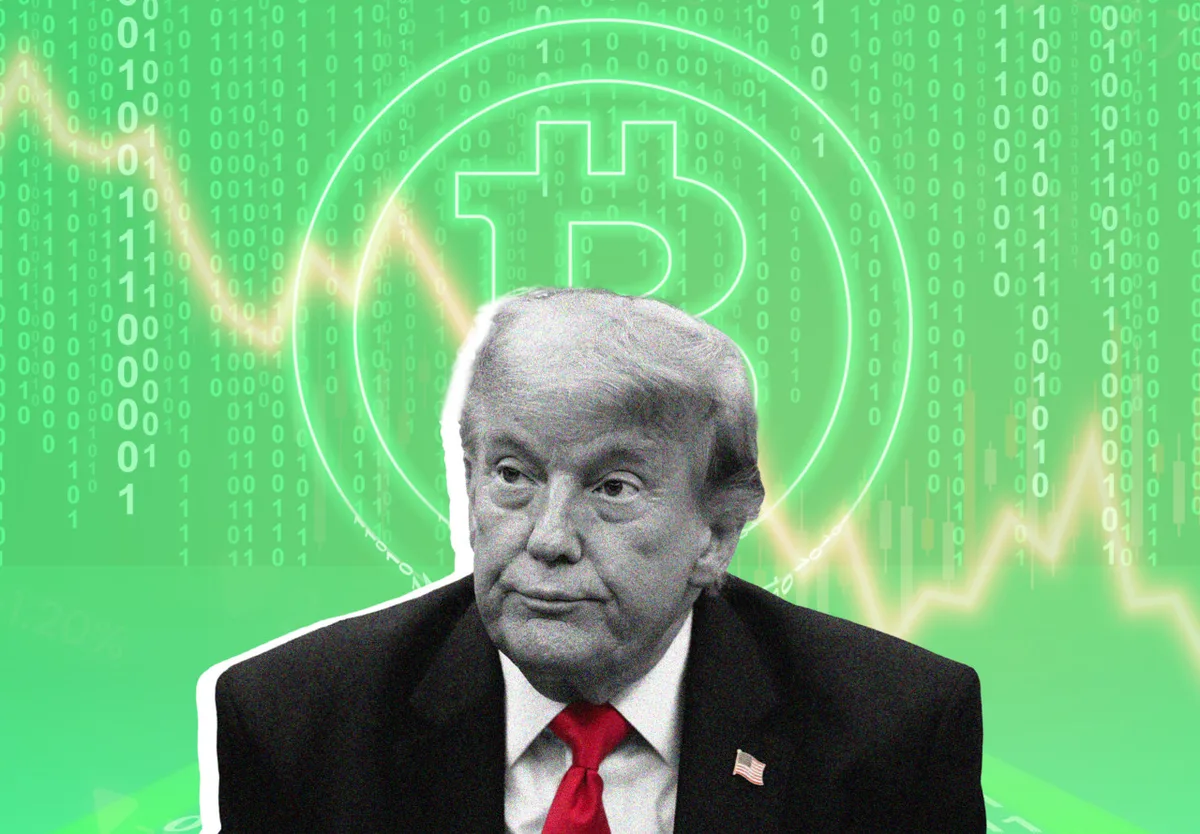
Millions of cryptocurrency investors worldwide are nursing significant losses as a broad bear market strips trillions of dollars in paper profits from digital asset portfolios, according to a MarketWatch report highlighting the growing divide between ordinary retail holders and wealthy, well-positioned players like former President Donald Trump.
The downturn has hit hardest among everyday investors who entered the market during peak enthusiasm, many of whom bought into major tokens at elevated prices. As valuations have retreated sharply, those latecomers now find themselves underwater with little immediate relief in sight, underscoring the outsized risk that volatile digital assets carry for non-institutional participants.
Read more Securitize Eyes SPAC IPO to Push Asset Tokenization Mainstream →
The contrast with Trump's reported billion-dollar crypto position illustrates a dynamic analysts have long warned about: large, early, or politically connected holders can absorb volatility far more comfortably than retail investors operating on tighter margins. While the source does not detail the exact composition of Trump's holdings, the scale of his reported position suggests insulation from the kind of day-to-day price swings that prove devastating for smaller accounts.
The broader market carnage reignites longstanding debates about investor protection in the largely unregulated crypto space. Critics argue that without stronger guardrails, ordinary people bear a disproportionate share of downside risk while prominent figures and institutional players exploit structural advantages. Policymakers have yet to deliver comprehensive federal crypto regulation, leaving retail participants exposed.
The situation serves as a stark reminder that digital asset markets remain deeply asymmetric environments where timing, access, and capital size often determine who wins and who suffers when sentiment shifts. Continue reading at MarketWatch.com