Dollar Bulls at 10-Year High as Oil Spike Fuels Fed Bets
Investor bullishness on the U.S. dollar has reached a decade high, with oil prices and Middle East tensions shaping the outlook.
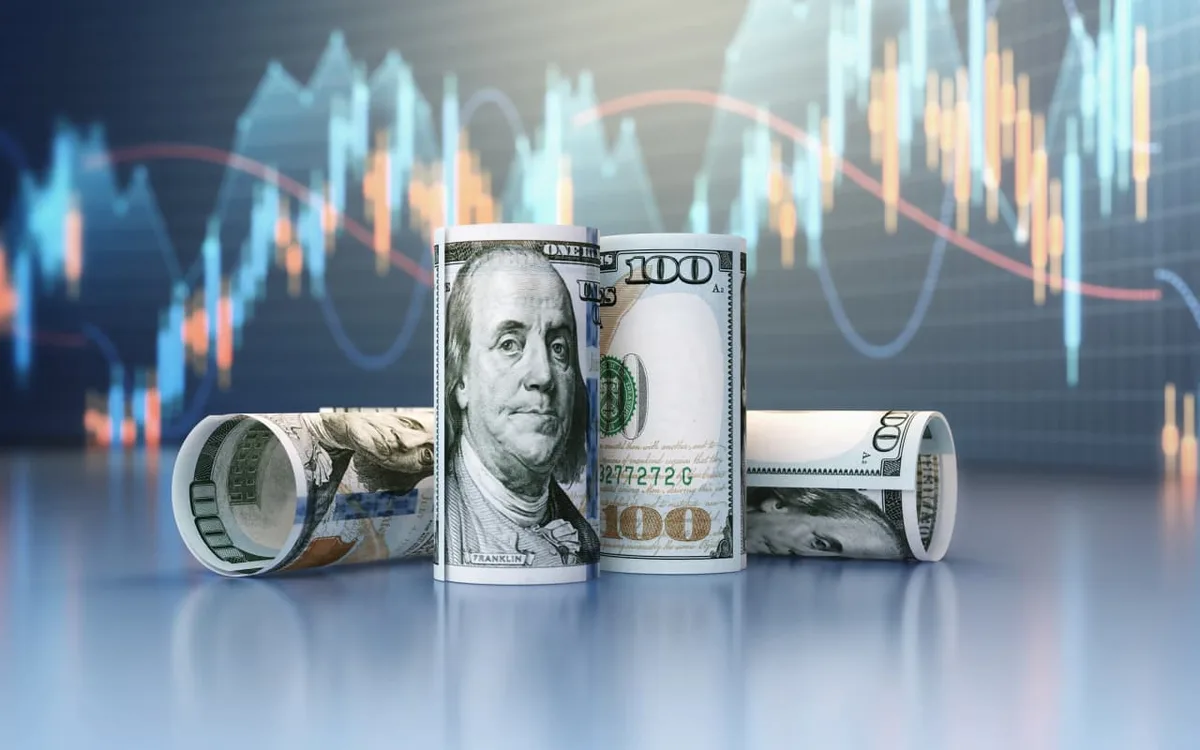
Bullish bets on the U.S. dollar have surged to their highest level in roughly ten years, according to MarketWatch, as a confluence of rising oil prices and renewed Middle East instability pushes traders to price in a more hawkish Federal Reserve for longer than previously expected.
Wednesday's jump in crude prices sits at the center of the trade. If the rally proves durable rather than a short-lived spike, analysts warn that inflationary pressure could build, giving the Fed little room to pivot toward rate cuts — a backdrop that historically supports a stronger greenback against major rivals.
Read more Qatari LNG Tanker Struck by Projectile, Drifts Off Oman Coast →
The crowded nature of the dollar-long position is itself a risk worth watching. When speculative positioning becomes heavily one-sided, markets can be vulnerable to sharp reversals if the underlying thesis — persistent inflation driven by energy costs — fails to materialize or if geopolitical tensions ease faster than anticipated.
Middle East uncertainty has historically acted as a dual catalyst: lifting oil, which stokes inflation fears, while simultaneously driving safe-haven demand for dollar-denominated assets. Both dynamics are currently working in tandem, reinforcing the bullish consensus among institutional investors and currency traders alike.
Whether the dollar can extend its climb hinges on incoming inflation data and any Fed signals about the future rate path. For now, the market's message is unambiguous — confidence in the buck is running at levels unseen in a decade. Continue reading at MarketWatch.com