Fed Rate Hike: How It Affects Your Loans and Savings
The Federal Reserve's latest quarter-point rate increase ripples through mortgages, credit cards, auto loans, and savings accounts.
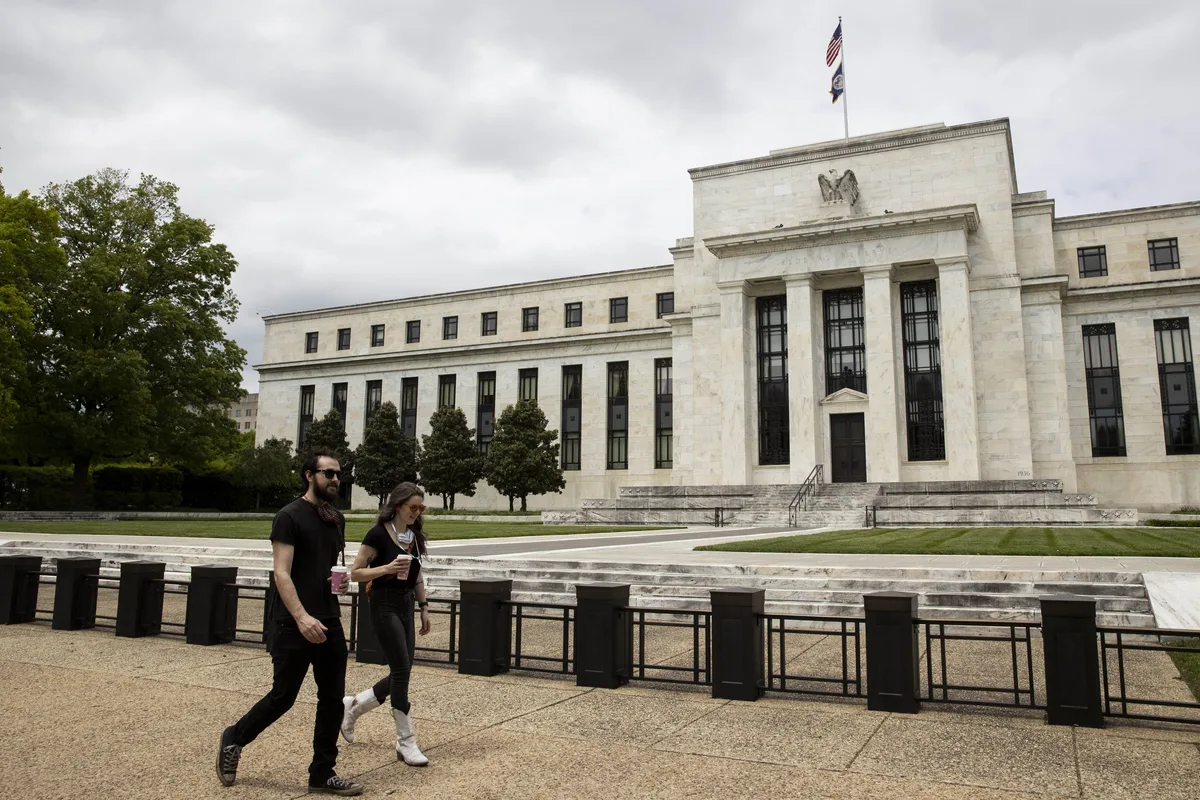
The Federal Reserve raised its benchmark interest rate by a quarter of a percentage point, a move that will directly affect what millions of Americans pay to borrow money and earn on their deposits. The decision sends immediate signals across the consumer finance landscape, touching everything from everyday credit card balances to long-term home loans.
Credit card holders are among the first to feel the squeeze. Because most credit cards carry variable interest rates tied closely to the Fed's benchmark, cardholders can expect their annual percentage rates to climb within one or two billing cycles, making carrying a balance more expensive almost immediately.
Read more 30-Year Mortgage Rate Surge Puts 8% Back on the Table →
Mortgage borrowers face a more complex picture. Fixed-rate mortgage rates are influenced more by bond market expectations than by the Fed's overnight rate directly, but the hike reinforces an upward pressure on home loan costs that has already made housing affordability a growing challenge for prospective buyers across the country.
Auto loan rates, which are also sensitive to broader interest rate conditions, are likely to tick higher, adding to monthly payment burdens for consumers shopping for new or used vehicles. On the brighter side, savers stand to benefit modestly, as banks typically pass along at least a portion of rate increases through higher yields on savings accounts, money market accounts, and certificates of deposit — though the timing and magnitude of those increases vary widely by institution.
The quarter-point move underscores the Fed's ongoing effort to balance economic growth against inflationary pressures, with consequences that reach into nearly every corner of household financial life. Continue reading at US Top News and Analysis.