Harvard Expert Says Community Is the Missing Piece of the American Dream
A Harvard happiness researcher warns that without community, life becomes grim — yet only 35% of Americans link the American Dream to belonging.
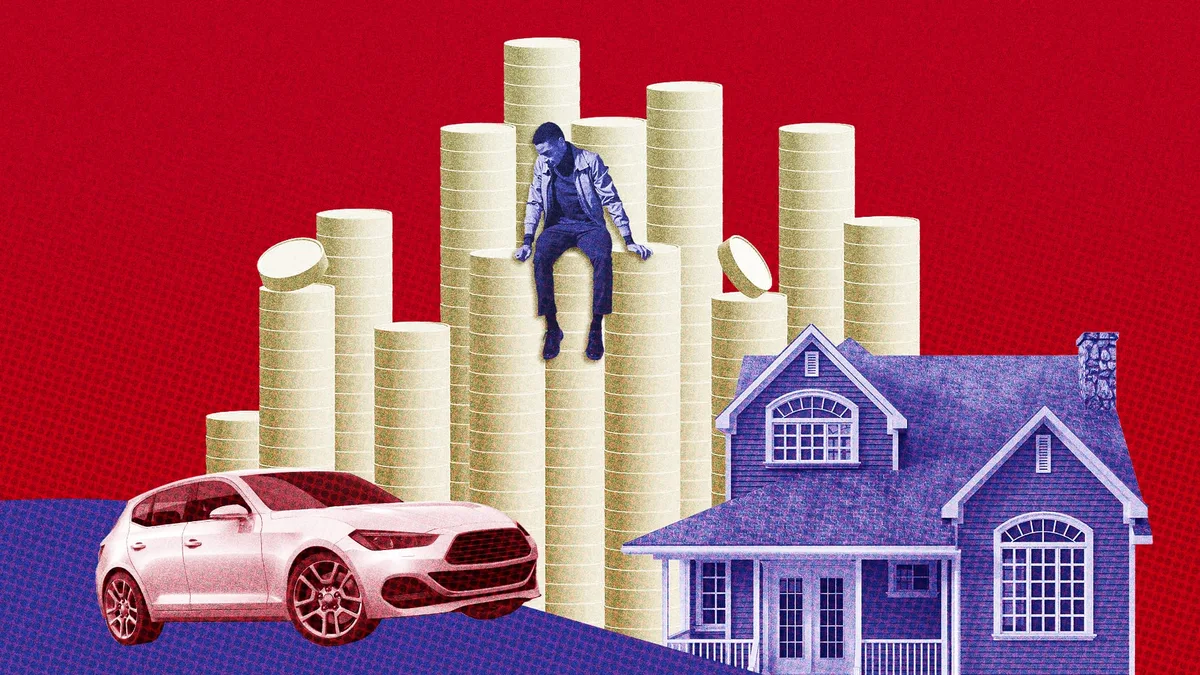
A Harvard happiness expert is sounding the alarm on a critical gap in how Americans define success: the near-total absence of community from their vision of the American Dream. According to new data, only 35% of U.S. adults include being part of a community when describing what the American Dream means to them — a finding that researchers say has serious consequences for national well-being.
The warning comes as loneliness and social isolation continue to register as growing public health concerns across the United States. Experts argue that individual achievement — the traditional hallmarks of the American Dream such as homeownership, financial security, and upward mobility — cannot substitute for the deep human need to belong and to be known by those around you.
Read more One in Three Home Sellers Cut Prices in This City Last Month →
The Harvard researcher's position is unambiguous: without meaningful social connection, life is, in their own words, "pretty grim." That framing carries weight at a moment when Americans report historically low levels of trust in institutions, neighbors, and civic life, making community harder to build even for those who recognize its value.
The disconnect points to a broader tension in American culture, where rugged individualism has long been celebrated as a virtue. Analysts note that the emphasis on self-reliance, while economically motivating, may be quietly eroding the social fabric that allows individuals — and societies — to genuinely flourish over time.
For everyday Americans reassessing what a good life actually looks like, the research delivers a pointed message: material milestones matter far less than the relationships built along the way. Continue reading at US Top News and Analysis.