Iran War Reshapes How Stocks, Bonds, and Oil Move Together
Rising energy prices tied to Iran conflict are rattling investors and redrawing classic market correlations across equities, fixed income, and crude.
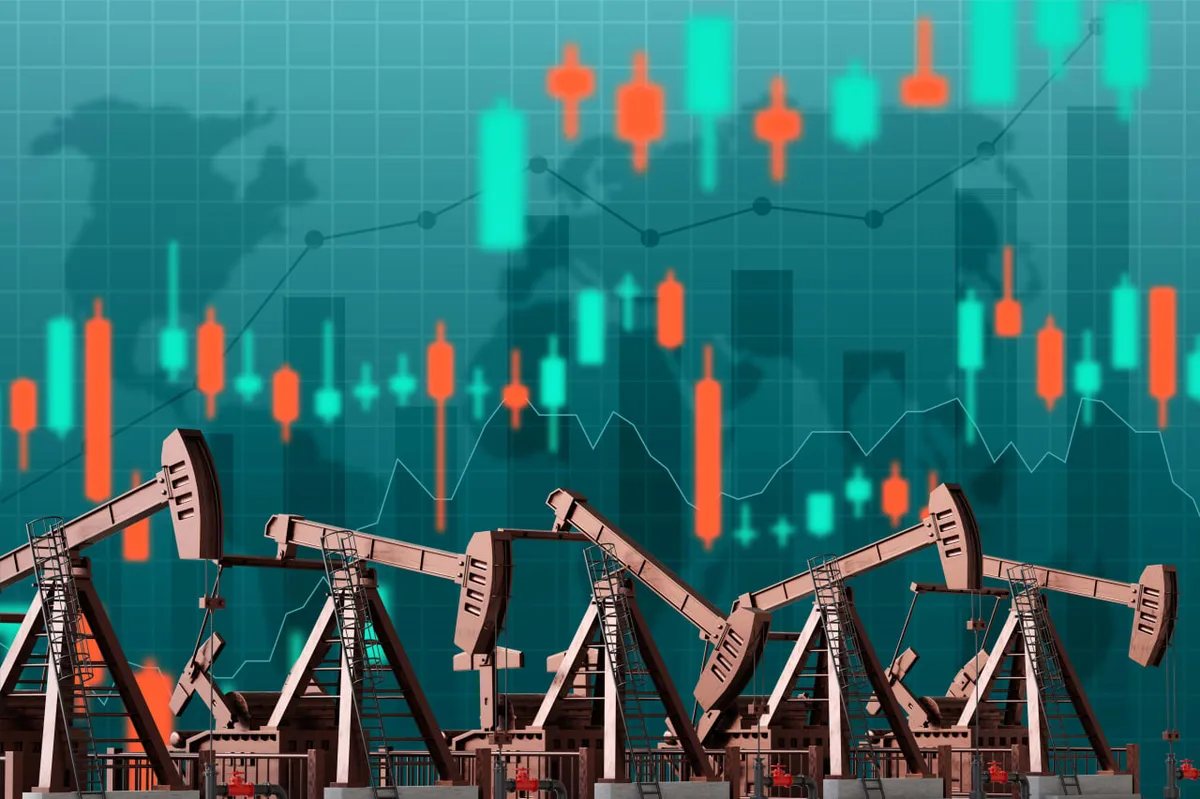
The conflict involving Iran is fundamentally altering the way three of the world's most closely watched asset classes interact, as surging oil prices send ripple effects across global equities and bond markets, according to a new MarketWatch analysis. What once were relatively predictable relationships between stocks, bonds, and crude are breaking down under the weight of geopolitical uncertainty.
Oil has emerged as the dominant force dictating the rhythm of financial markets, with rising energy prices stoking investor anxiety about inflation, corporate margins, and consumer spending power. When crude climbs sharply due to war-related supply fears, the knock-on effects can simultaneously pressure equities and complicate the traditional safe-haven role that bonds are expected to play.
Read more Swire Pacific Short Interest Surges 781.9% in September →
The realignment matters because portfolio managers and retail investors alike have long relied on inverse correlations — particularly the tendency for bonds to rise when stocks fall — as a risk management tool. A world where oil is the primary driver can break that hedge, leaving investors more exposed than their asset allocations suggest.
The broader strategic implication is that markets may be entering a period where energy geopolitics, not central bank policy or corporate earnings, set the daily tone for risk appetite globally. Traders and analysts will be watching crude benchmarks as closely as any Federal Reserve statement in the weeks ahead.
Continue reading at MarketWatch.com