Iran War Risk Threatens $1,700 Hit Per US Household
Surging oil prices and Treasury yields are squeezing Americans with higher energy and borrowing costs, draining household savings.
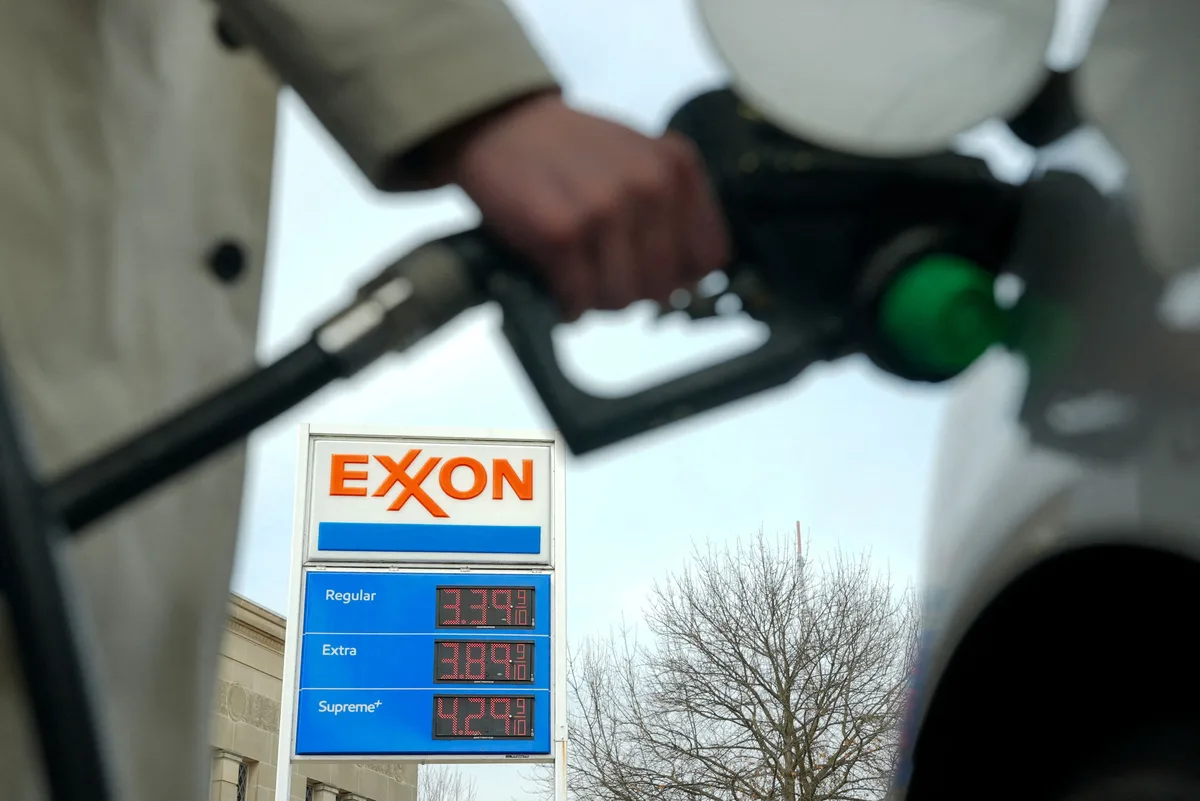
A potential one-two punch of rising oil prices and climbing Treasury yields tied to escalating tensions involving Iran is threatening to cost the average American household an estimated $1,700, according to US Top News and Analysis. The dual pressures are hitting consumers simultaneously on two critical fronts: what they pay to fill their tanks and heat their homes, and what they owe on mortgages, car loans, and credit cards.
Higher oil prices translate almost immediately into elevated gasoline and home-heating costs, leaving families with less discretionary income. When those energy shocks coincide with rising Treasury yields — which serve as the benchmark for a wide range of consumer borrowing rates — the financial squeeze compounds quickly. Households already stretched by years of elevated inflation find themselves with shrinking buffers.
Read more Study: More Than 70% of US Coastlines Are Sinking →
The response from many consumers has been predictable: a deeper drawdown on personal savings. That trend is particularly concerning for economists who have pointed to resilient consumer spending as a key pillar of the US economy. If savings cushions erode further, spending could contract, creating broader headwinds for economic growth.
Analysts warn that the combination of geopolitical instability and tight monetary conditions creates an unusually hostile environment for household finances. Unlike a single shock that consumers might absorb through savings or credit, simultaneous pressure on energy costs and borrowing rates leaves far fewer escape valves. The $1,700-per-household estimate underscores just how tangible the macroeconomic risks of Middle East conflict can become at the kitchen-table level.
Continue reading at US Top News and Analysis.