IRS Lowers Penalty Threshold for Taxpayers Who Underpaid
The IRS has relaxed its underpayment penalty rules, offering relief to filers who fell short on taxes. An internal advocate calls it a major win.
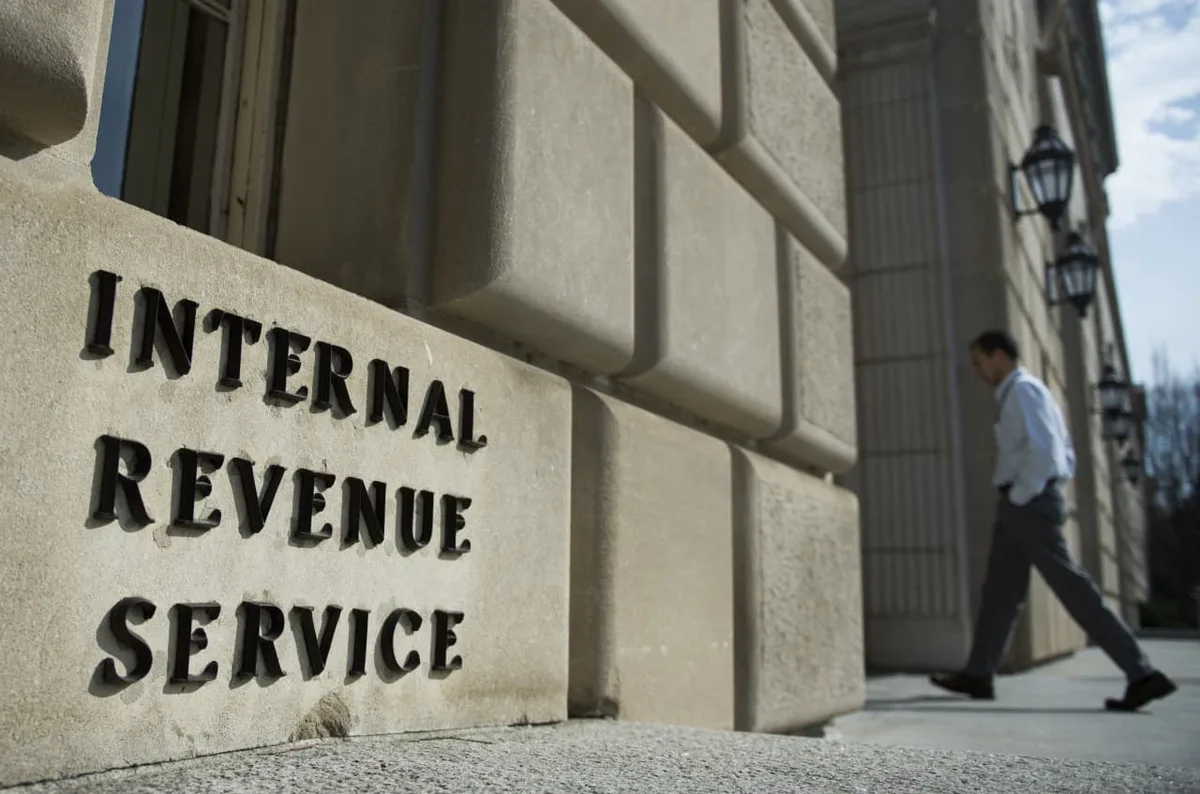
The Internal Revenue Service has made it significantly easier for American taxpayers to avoid penalties when they fail to pay enough tax throughout the year, a policy shift that one IRS advocate is calling a "major taxpayer win." The change affects the threshold used to determine whether a penalty applies when a filer's tax payments come up short of what is ultimately owed.
Underpayment penalties have long been a source of frustration for taxpayers who misjudge their withholding or quarterly estimated payments. When too little is paid in during the year — whether through an employer's paycheck withholding or self-employment estimated tax installments — the IRS can assess an additional penalty on top of any balance due at filing time. The agency's revised approach lowers the bar that triggers that extra charge.
Read more Mortgage Demand Slumps as Rates Stay Stuck in Tight Range →
The move carries particular significance for gig workers, freelancers, and others who rely on estimated quarterly payments rather than automatic payroll withholding. These filers have historically been more exposed to underpayment penalties because their income can fluctuate and is harder to project accurately over a calendar year.
An advocate working within the IRS described the change as a meaningful shift in the agency's posture toward taxpayers who make good-faith efforts to meet their obligations but fall slightly short. Analysts note that while the policy eases the burden on individual filers, it reflects a broader conversation in Washington about balancing tax enforcement with taxpayer fairness.
Taxpayers who believe they may have underpaid in a recent filing year should review the updated guidelines to determine whether the new threshold works in their favor, particularly if they received a penalty notice or are concerned about one for the current tax year. Continue reading at MarketWatch.com