Israel and Lebanon Reach Ceasefire Framework, Pending Hezbollah Approval
Secretary of State Rubio announced a ceasefire framework between Israel and Lebanon, though the deal hinges on Hezbollah agreeing to stand down.
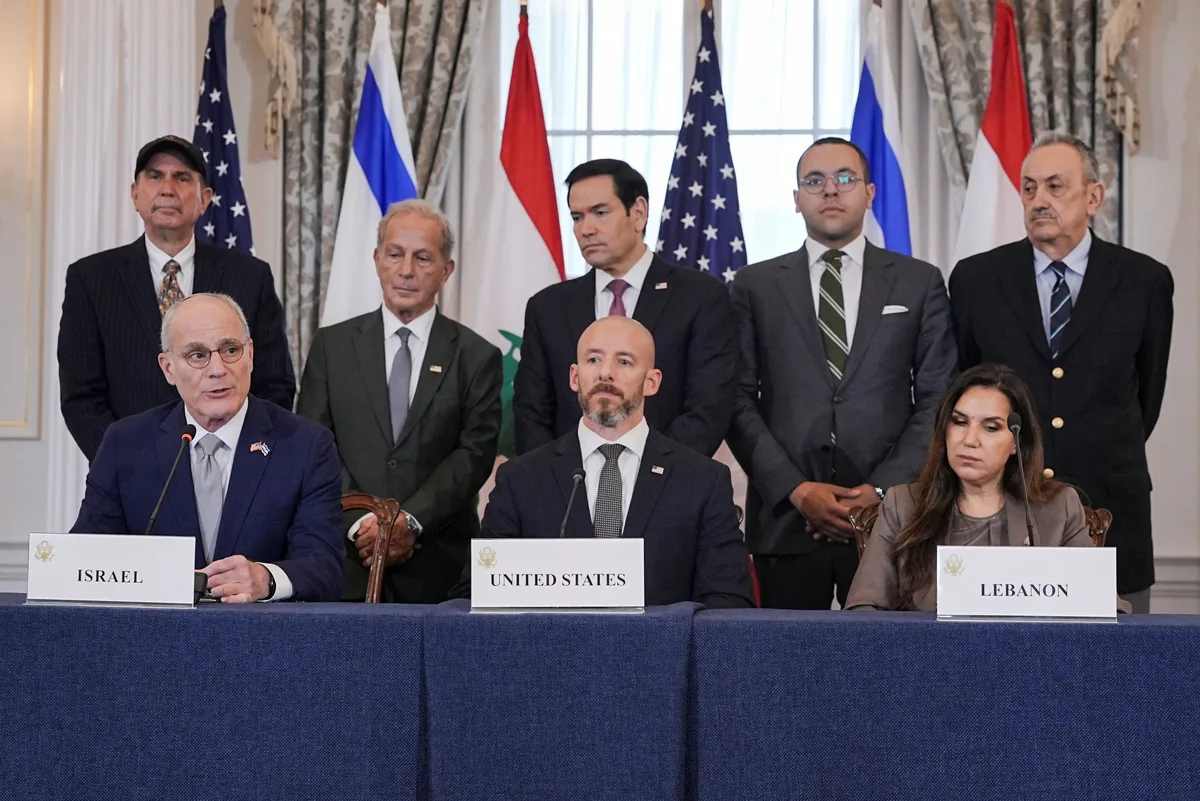
Secretary of State Marco Rubio announced Wednesday that Israel and Lebanon have reached a framework agreement aimed at achieving what he described as "lasting peace and security" in the region — a significant diplomatic development after months of cross-border violence that has displaced thousands and strained the fragile stability of the Middle East.
The agreement, however, carries a critical caveat: it does not take effect unless Hezbollah, the Iran-backed paramilitary organization with deep political and military roots in Lebanon, agrees to halt its hostilities. That condition introduces substantial uncertainty into the deal, as Hezbollah operates independently of the Lebanese government and has historically resisted external pressure to disarm or stand down.
Read more SEC and CFTC Seek Public Input on Unified Margin Rules →
The distinction between Lebanon as a state actor and Hezbollah as a non-state armed group has long complicated diplomatic efforts in the region. Lebanon's government signed onto the framework, but its ability to enforce any terms on Hezbollah remains limited — a dynamic that diplomats and analysts have repeatedly cited as the central obstacle to durable agreements in this theater of conflict.
If Hezbollah does consent to a cessation of hostilities, the framework could represent one of the most consequential breakthroughs in Israeli-Lebanese relations in years, potentially paving the way for broader regional negotiations. The announcement by Rubio signals active U.S. engagement in brokering the arrangement, though the durability of any ceasefire will ultimately depend on conditions on the ground.
Continue reading at US Top News and Analysis.