Michael Saylor Rejects Bitcoin Blockchain Cleanup Plan
Bitcoin's most prominent corporate advocate calls a proposed blockchain cleanup initiative misguided, signaling rare internal crypto debate.
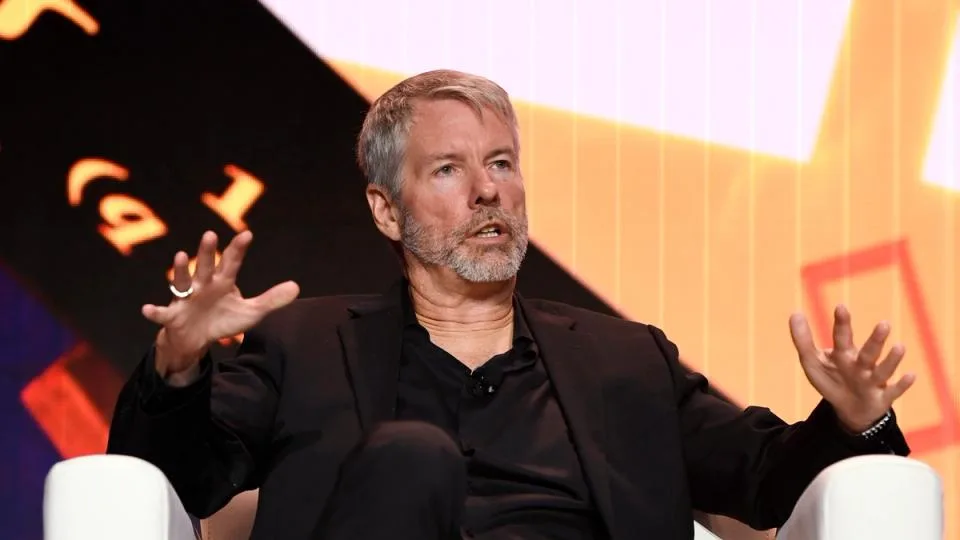
Michael Saylor, the executive chairman of MicroStrategy and Bitcoin's most vocal institutional champion, has publicly opposed a newly circulated proposal aimed at cleaning up the Bitcoin blockchain, calling it "a bad idea" — a striking rebuke from the man who has staked billions of corporate dollars on the cryptocurrency's integrity.
Saylor's opposition is notable precisely because of his stature in the Bitcoin community. MicroStrategy has accumulated one of the largest corporate Bitcoin holdings in the world, making Saylor's views on protocol-level decisions far more consequential than those of a typical commentator. When he pushes back on a Bitcoin-related initiative, the market and developer communities take notice.
The proposal in question targets the Bitcoin blockchain itself — the immutable ledger that records every transaction ever made on the network. Blockchain "cleanup" efforts typically involve debates over removing or archiving certain data types, restricting non-financial use of block space, or altering how transactions are validated and stored. Any such change would require broad consensus among Bitcoin's decentralized network of developers and node operators, a notoriously difficult threshold to meet.
Critics of cleanup proposals often argue that Bitcoin's core value proposition rests on its unchanging, censorship-resistant nature, and that tinkering with the chain — even with good intentions — sets a dangerous precedent for future alterations. Saylor's stance appears to align with that school of thought, prioritizing protocol stability over housekeeping changes that some developers argue are necessary for long-term network efficiency.
The debate underscores the persistent tension inside the Bitcoin ecosystem between those who view the protocol as sacred and untouchable and those who believe periodic maintenance is essential to its scalability and security. Continue reading at CoinDesk.