NATO Defense Spending Pledges Face Scrutiny at Summit
Allied leaders gather to prove Europe can convert record defense budgets into real military capability as Trump presses for burden-sharing.
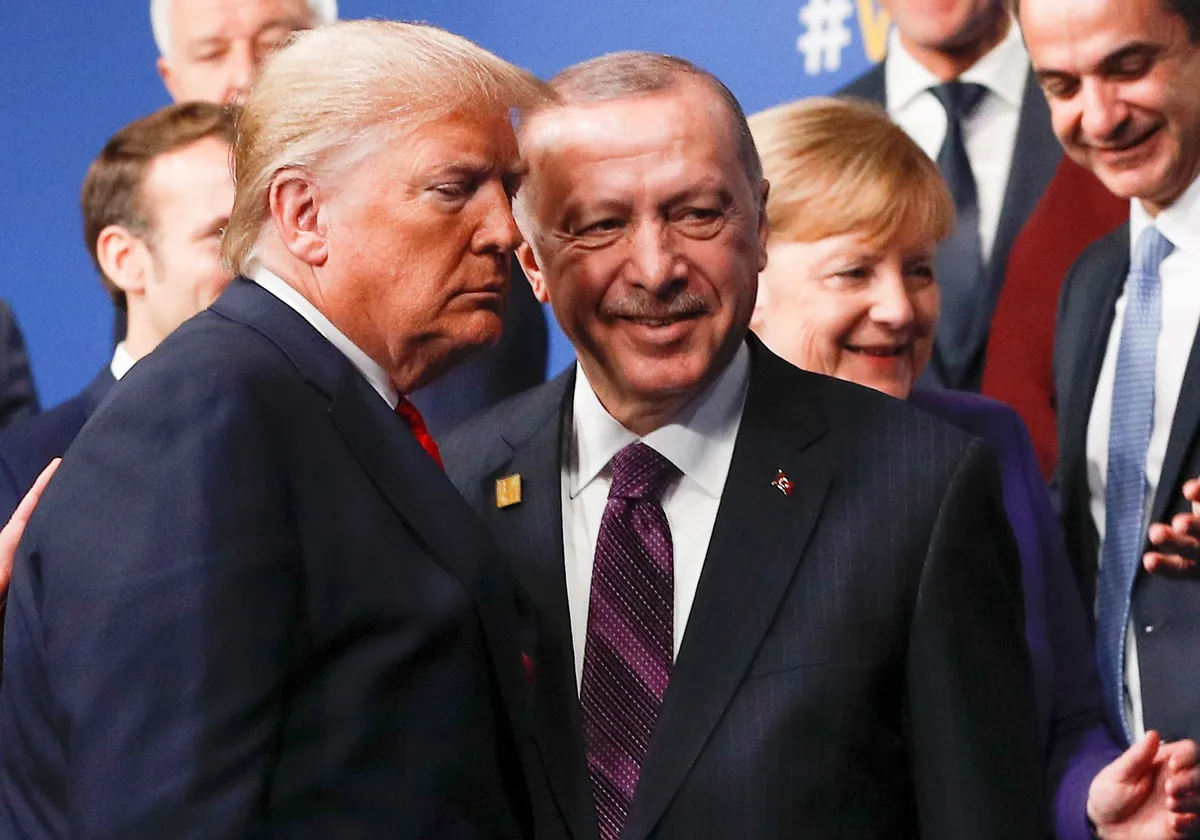
NATO leaders are convening under intense pressure to demonstrate that surging European defense commitments will translate into tangible military strength, with the Trump administration demanding allies carry a far greater share of the alliance's security costs. The summit marks a critical test of what observers are calling "NATO 3.0" — a reimagined alliance in which Washington no longer accepts an outsized financial and operational role without meaningful reciprocity from partners.
The central question hanging over the gathering is whether Europe's wave of higher defense spending pledges will produce real battlefield capability or remain largely rhetorical. Trump's insistence that allies meet — and potentially exceed — the NATO defense spending benchmark has transformed what was once a diplomatic formality into a hard political litmus test, reshaping how European governments justify military budgets to their own voters.
Read more Ripple Wins Full MiCA License to Operate Across Europe →
The stakes extend well beyond budget numbers. Analysts note that converting financial commitments into deployable forces, modern equipment, and interoperable command structures takes years, creating a credibility gap between what allies pledge and what they can actually field. That gap is precisely what Washington appears determined to close, using leverage that previous U.S. administrations rarely wielded this bluntly.
European capitals have responded with a mix of accelerated spending announcements and structural defense reforms, but the pace and depth of those changes remain uneven across the alliance. Whether that patchwork of commitments satisfies the Trump administration — and keeps the U.S. firmly inside the NATO framework — is the defining diplomatic drama of this summit.
Continue reading at US Top News and Analysis.