Oil Prices Drop Near Pre-War Levels as Supply Risks Linger
Oil has retreated toward pre-war price levels, but analysts caution that Iranian influence over the Strait of Hormuz could trigger a sharp rebound.
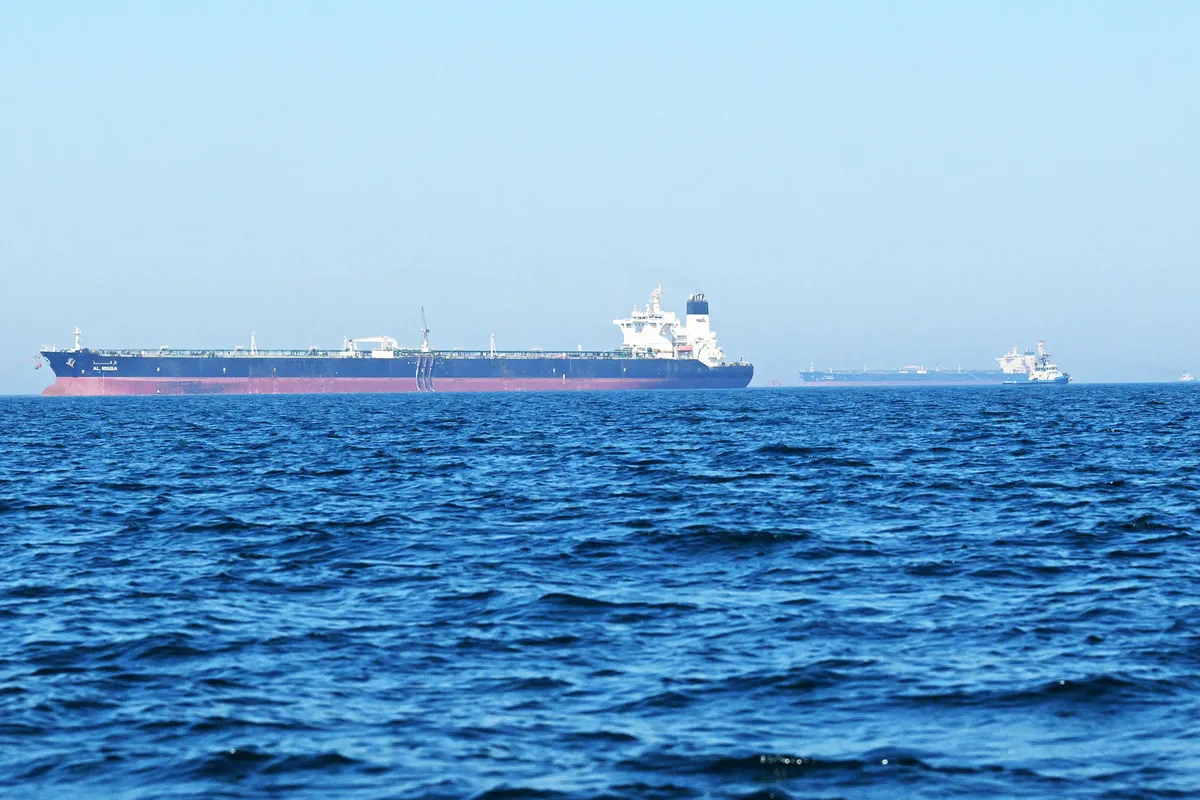
Oil prices have fallen back toward levels last seen before the onset of the latest Middle East conflict, offering temporary relief to consumers and industries dependent on energy costs — but commodity strategists are urging markets not to mistake calm for stability.
Analysts warn that Iran's ability to influence or disrupt traffic through the Strait of Hormuz remains a live and underpriced risk. The strait is one of the world's most critical energy chokepoints, with a substantial share of global seaborne oil passing through its narrow passage daily, making any escalation there capable of sending prices sharply higher in a matter of hours.
Read more Short Bets Against Palantir, Rocket Lab, MSTR Led June Gains →
Shipping costs are also in the crosshairs. Commodity strategists note that persistent uncertainty around the strait continues to weigh on freight rates and insurance premiums for tankers operating in the region, adding a hidden cost layer that doesn't always show up immediately in benchmark crude prices but eventually filters through to consumers.
The apparent price retreat may be lulling some market participants into complacency, analysts suggest. Supply disruption scenarios tied to Iranian leverage have not disappeared — they have simply moved out of the immediate headlines, leaving markets potentially exposed to a rapid repricing if geopolitical tensions flare again.
For now, traders are navigating a fragile equilibrium between easing war-risk premiums and the structural vulnerabilities that remain baked into Middle East energy supply chains. Continue reading at US Top News and Analysis.