Oil Prices Surge 4% After Trump Threatens Iran Bombing, Blockade
Crude prices spiked sharply after Trump declared the Iran ceasefire over and threatened military escalation, rattling global energy markets.

Oil prices jumped more than 4% on Monday after President Donald Trump threatened to bomb Iran and reimpose a naval blockade, sending shockwaves through global energy markets already on edge over Middle East tensions. Trump made the incendiary remarks while speaking at the NATO summit in Turkey, declaring that he considered the ceasefire with Iran effectively finished following overnight U.S. airstrikes.
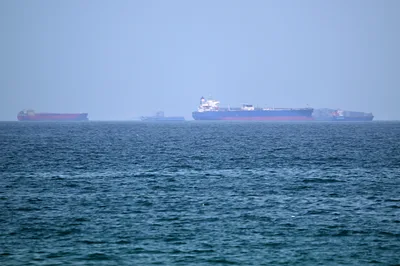
The combination of Trump's direct military threats and the confirmation of fresh American strikes created an immediate flight to risk-off positioning in commodities markets. Crude oil, long sensitive to any sign of Persian Gulf instability, responded swiftly — with traders pricing in the possibility of significant supply disruptions if hostilities escalate further. A naval blockade of Iranian waters, if enacted, could choke off a critical corridor for global oil shipments.
Read more Qatari LNG Tanker Struck by Projectile, Drifts Off Oman Coast →
Trump's declaration at the NATO gathering drew instant international attention, placing allied governments in an uncomfortable position as they weighed the implications of renewed U.S.-Iran conflict. The overnight airstrikes that preceded his comments signaled that military action was already underway, lending his threats a credibility that markets could not ignore. Analysts warn that any sustained escalation could push energy prices considerably higher, adding inflationary pressure to an already fragile global economy.
The episode underscores how quickly geopolitical flashpoints can override economic fundamentals in commodity trading. With Iran remaining one of the world's significant oil producers, even the prospect of a blockade or sustained bombing campaign introduces supply-side uncertainty that traders are compelled to price in immediately. The situation remains fluid, and energy market volatility is expected to persist as diplomatic and military developments unfold.
Continue reading at US Top News and Analysis