Oil Prices Surge 4% as Military Strikes Threaten Hormuz Shipping
Crude prices jumped sharply after fresh military strikes raised fears over disruptions to oil shipments through the Strait of Hormuz.
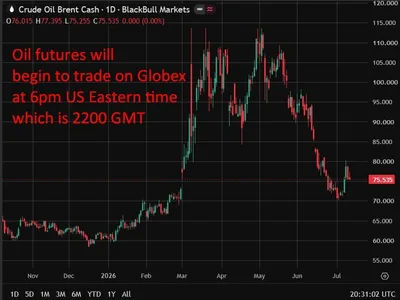
Oil prices surged roughly 4% on fears that new military strikes could choke off crude shipments moving through the Strait of Hormuz, one of the world's most critical energy chokepoints, according to a Reuters report. The sharp rally underscored how quickly geopolitical flashpoints in the Middle East can ripple through global energy markets.
The Strait of Hormuz serves as the passage for a significant share of the world's seaborne oil, making any credible threat to navigation in the waterway an immediate catalyst for price swings. Traders and analysts have long identified the strait as a pressure point where regional conflicts translate directly into supply risk premiums baked into crude benchmarks.
Read more Jim Cramer: Treating Mag 7 as One Group Costs Investors →
The spike reflects a broader pattern of oil markets responding aggressively to headline risk even before physical supply disruptions materialize. When military activity escalates near major shipping lanes, energy traders typically move first and ask questions later, pushing prices higher as a precaution against potential shortfalls.
The latest episode adds fresh uncertainty to an oil market already navigating a complex mix of demand signals, OPEC+ production decisions, and macroeconomic pressures. Any sustained disruption to Hormuz traffic could tighten global supply and extend the price rally well beyond an initial knee-jerk reaction.
Continue reading at Reuters.