One Year Later: How Texas Hill Country Flooding Turned Fatal So Fast
Analysts revisit the deadly July 4 Texas Hill Country floods one year on, examining why the disaster escalated so rapidly.
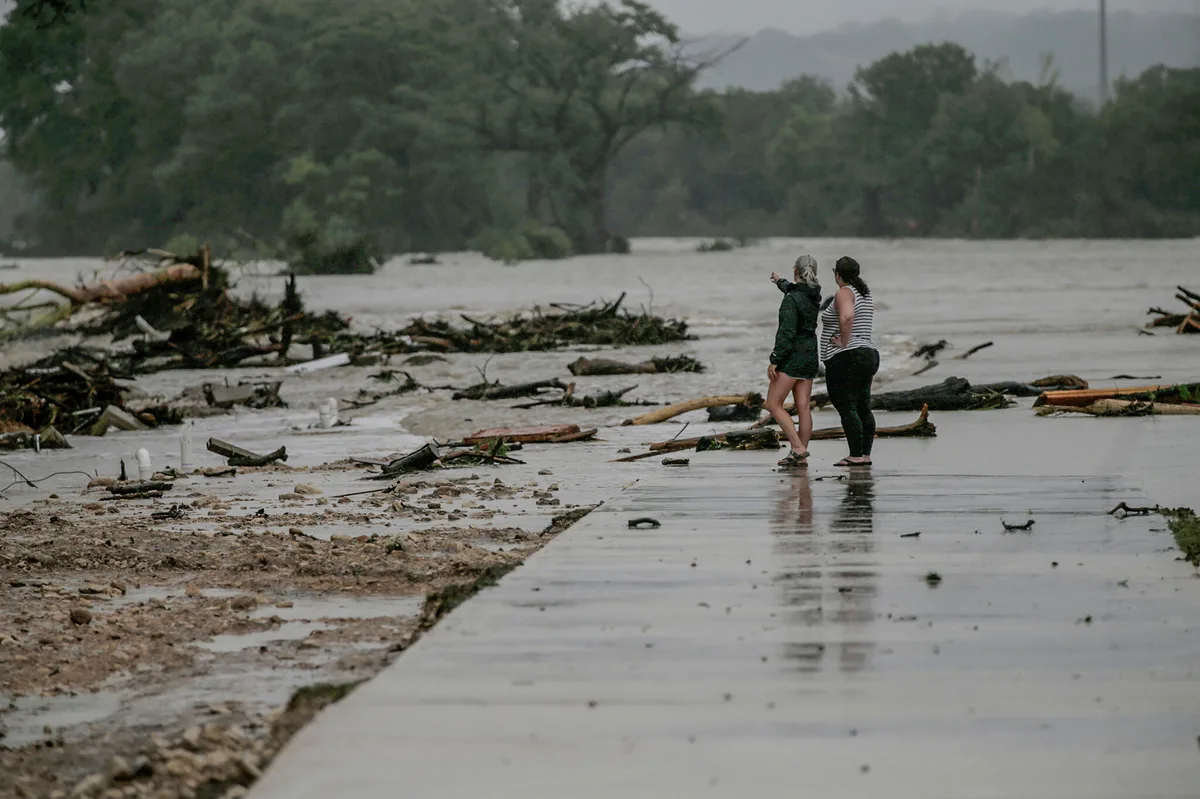
One year after catastrophic flooding struck the Texas Hill Country on July 4, questions persist about how a holiday weekend storm transformed into a deadly disaster with alarming speed. The flooding caught residents and emergency responders off guard, underscoring the volatile nature of flash floods in Central Texas, a region long recognized as one of the most flood-prone areas in the United States.
The Hill Country's unique geography plays a central role in why such events become deadly so quickly. The region's shallow soils, steep terrain, and narrow river canyons funnel rainfall into raging torrents within minutes, leaving little time for evacuation or rescue. When intense storms stall over already-saturated ground, waterways can rise several feet in a matter of moments — a phenomenon meteorologists refer to as a flash flood emergency scenario.
Read more Maryland Lead Paint Inspector Fined $8.7M for Fraud →
Emergency management experts have long warned that the combination of holiday gatherings near rivers and creeks, limited cell service in remote Hill Country areas, and the sheer unpredictability of storm-driven flooding creates a dangerous cocktail. The July 4 timing placed an unusually large number of campers, tubers, and vacationers in low-lying areas directly in harm's way, amplifying the human toll of what might otherwise have been a manageable weather event.
The anniversary serves as a stark reminder of the gap between public awareness of flood risk and actual preparedness behavior. Officials and safety advocates continue to urge Texans to heed 'Turn Around, Don't Drown' warnings and to monitor weather alerts closely during summer storm season, particularly when recreating near waterways in the region. Broader conversations about early warning infrastructure and communication improvements in rural Texas remain ongoing.
Continue reading at statesman (anthony franze) for the full investigative account of how this tragedy unfolded.