Prediction Markets Raise Insider Trading Flags at Major Firms
Goldman Sachs and other companies are updating trading policies as prediction markets grow, raising new insider trading concerns among employees.
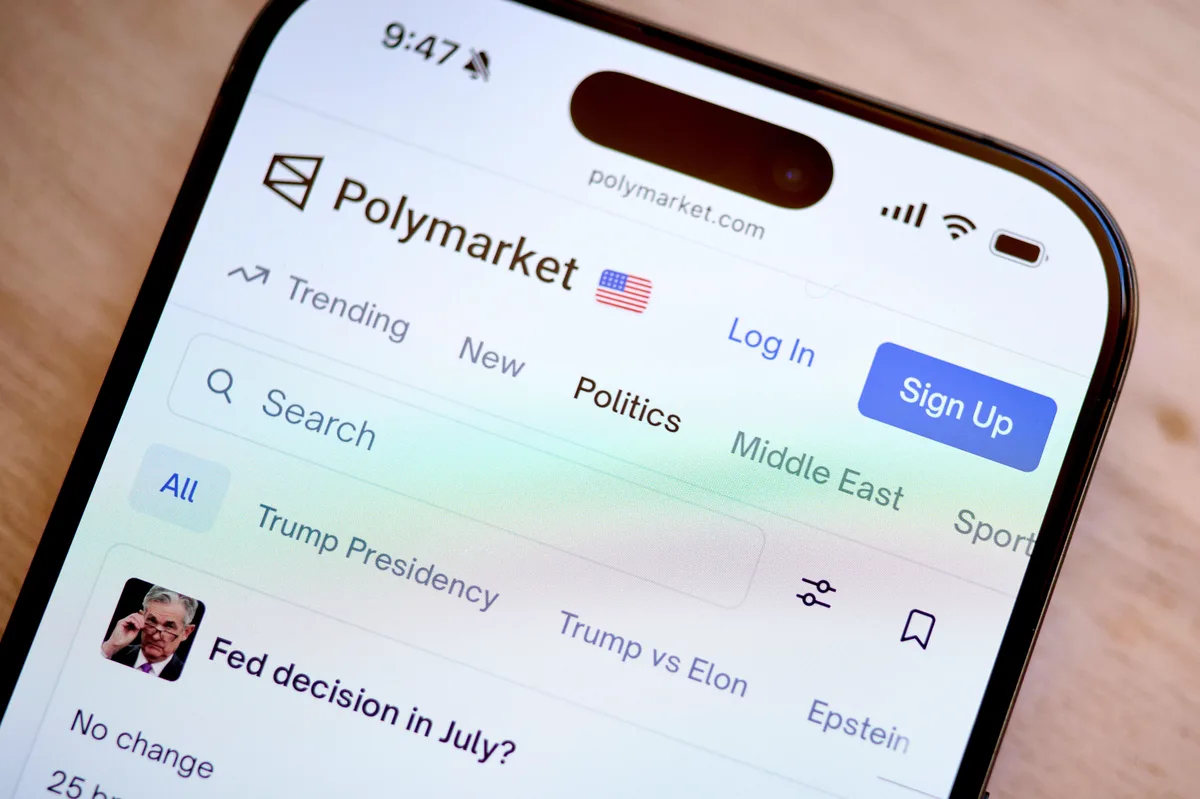
Wall Street and corporate America are scrambling to address a growing regulatory blind spot: employees betting on prediction markets using information they may have gained from their jobs. As platforms like Polymarket and Kalshi attract mainstream users and serious money, companies face fresh questions about whether existing insider trading policies cover these new venues — and most are unprepared to answer.
CNBC contacted 50 major companies to ask how their internal trading rules apply to prediction markets. Only a handful responded with a clear policy, exposing just how far behind most organizations are in adapting compliance frameworks to an asset class that did not exist in its current form when those rules were written.
Read more Chip Stock Euphoria Clashes With War Fatigue in Markets →
Goldman Sachs is among the firms that have begun examining and updating their employee trading guidelines to account for prediction market activity. The mere fact that a prominent financial institution is taking the issue seriously signals that what was once a legal gray area is rapidly gaining institutional attention — even as regulators have yet to issue formal guidance specifically targeting prediction market conduct.
The core concern is straightforward: an employee who knows, for example, that their company is about to miss earnings, settle a lawsuit, or announce a merger could theoretically wager on related prediction market contracts before that information becomes public. Unlike stock trades, which are closely monitored and subject to well-established securities law, prediction market bets operate under a less defined legal and compliance architecture, making enforcement far murkier.
The gap between corporate policy and market reality is widening as prediction markets move from niche curiosity to a mainstream financial product, leaving both companies and regulators racing to catch up. Continue reading at US Top News and Analysis.