Record Beef Imports Fail to Cool Soaring BBQ Prices This July 4th
Despite record beef imports flooding U.S. markets, consumers are still paying sky-high prices at the meat counter heading into the holiday weekend.
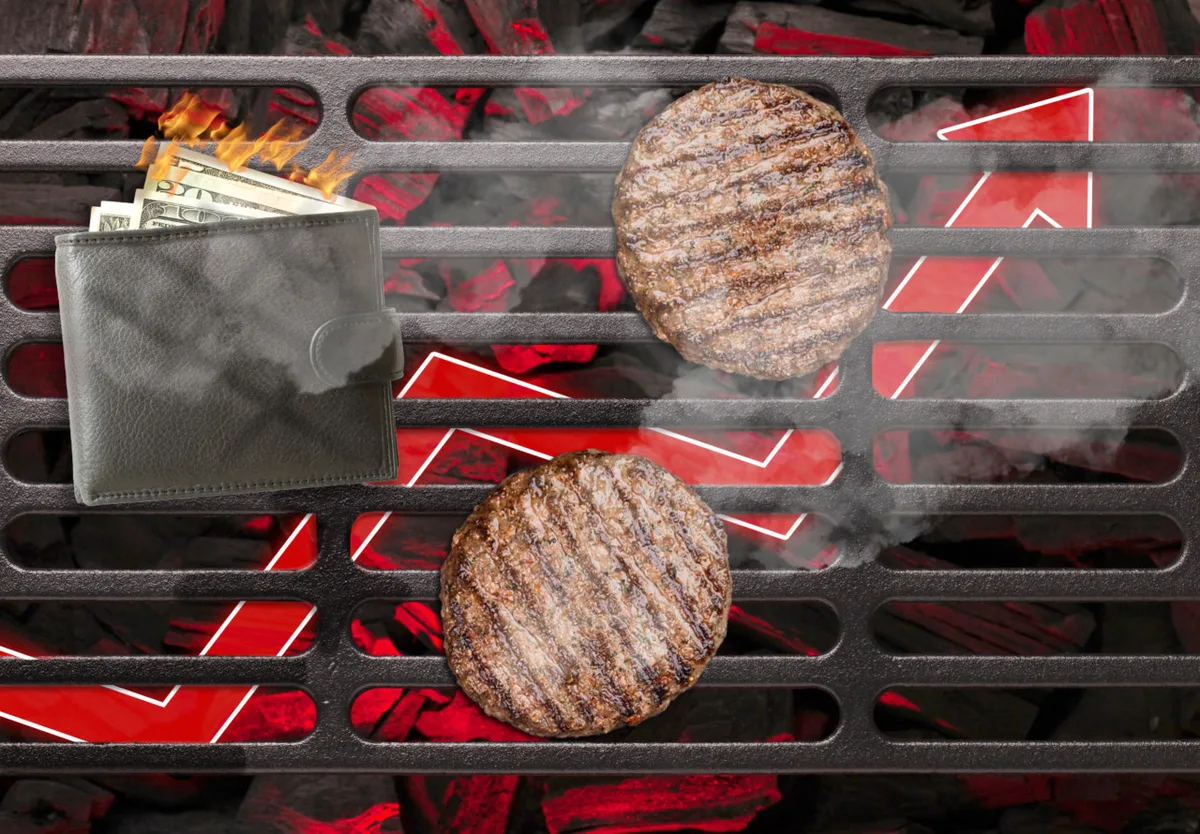
American consumers are paying more for beef this Fourth of July even as the United States takes in record volumes of imported meat, exposing a disconnect between supply-side solutions and the stubborn retail prices shoppers face at grocery store counters nationwide.
Washington's go-to answer for domestic meat inflation has been to open the import spigot wider, bringing in more foreign beef to offset tighter homegrown supplies. But that strategy is failing to deliver the price relief policymakers and consumers were counting on, raising hard questions about how commodity markets actually transmit costs — or savings — to the end buyer.
Read more Venezuela Earthquake Death Toll Rises to 2,595 After Historic Tremors →
Several structural forces keep retail beef prices elevated regardless of import volumes. Processing bottlenecks, retailer margin decisions, and the concentration of the meatpacking industry can all insulate consumer prices from wholesale fluctuations, meaning a surge in imported carcasses does not automatically translate into a cheaper steak or burger at the checkout line.
For holiday shoppers planning backyard cookouts, the timing is particularly painful. The Fourth of July ranks among the highest beef-consumption days on the American calendar, and families are absorbing those elevated costs at a moment when broader grocery inflation has already stretched household budgets thin.
The tension between record import data and record-feeling prices underscores a broader policy challenge: supply alone cannot fix a market shaped by consolidation, logistics constraints, and pricing power held far downstream from the farm gate. Continue reading at MarketWatch.com