Senate Democrats Reject Crypto Clarity Act as 'Corrupt'
A bloc of U.S. Senate Democrats is opposing the Clarity Act, denouncing the crypto legislation as corrupt and raising bipartisan roadblocks.

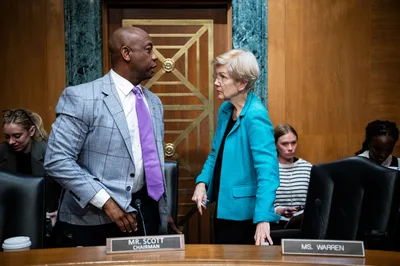
A group of U.S. Senate Democrats publicly broke ranks this week to oppose the Clarity Act, a sweeping piece of cryptocurrency legislation, labeling the bill "corrupt" and signaling significant resistance to its passage on Capitol Hill. The opposition marks a notable fracture in what supporters had hoped would be a smoother legislative path for one of the most consequential digital-asset bills in recent memory.
The lawmakers' objections center on concerns about the integrity of the bill and its potential to benefit powerful crypto industry players at the expense of consumer protections and regulatory oversight. While specific details of each senator's grievances were not fully enumerated in available reporting, the language used — calling the measure outright corrupt — reflects deep skepticism about who stands to gain most from codifying new rules around digital assets.
Read more Netflix Prices Rose 29% in a Year, Sparking Regulatory Calls →
The pushback adds fresh uncertainty to the broader effort in Washington to establish a clear legal framework governing cryptocurrencies. Proponents of the Clarity Act have argued the legislation is necessary to resolve long-standing ambiguity over whether digital tokens should be classified as securities or commodities, a distinction that determines which federal agency holds regulatory authority.
With Senate Democrats now voicing organized opposition, the bill's sponsors face a steeper climb toward the 60 votes typically needed to advance major legislation past procedural hurdles. The development underscores how politically charged crypto regulation has become, even as the industry pours substantial lobbying resources into shaping the outcome on both sides of the aisle.
The legislative fight over the Clarity Act is expected to intensify in coming weeks as committee markups and floor scheduling decisions loom. Continue reading at CoinDesk.