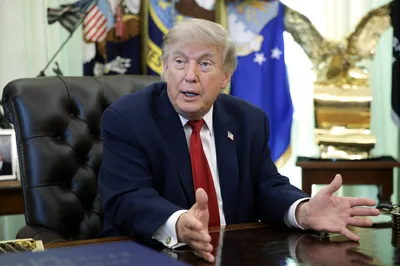
Supreme Court Lets Trump Fire Independent Agency Chiefs
A landmark ruling overturns the Humphrey's Executor precedent, giving presidents broad new power to remove independent regulatory officials.
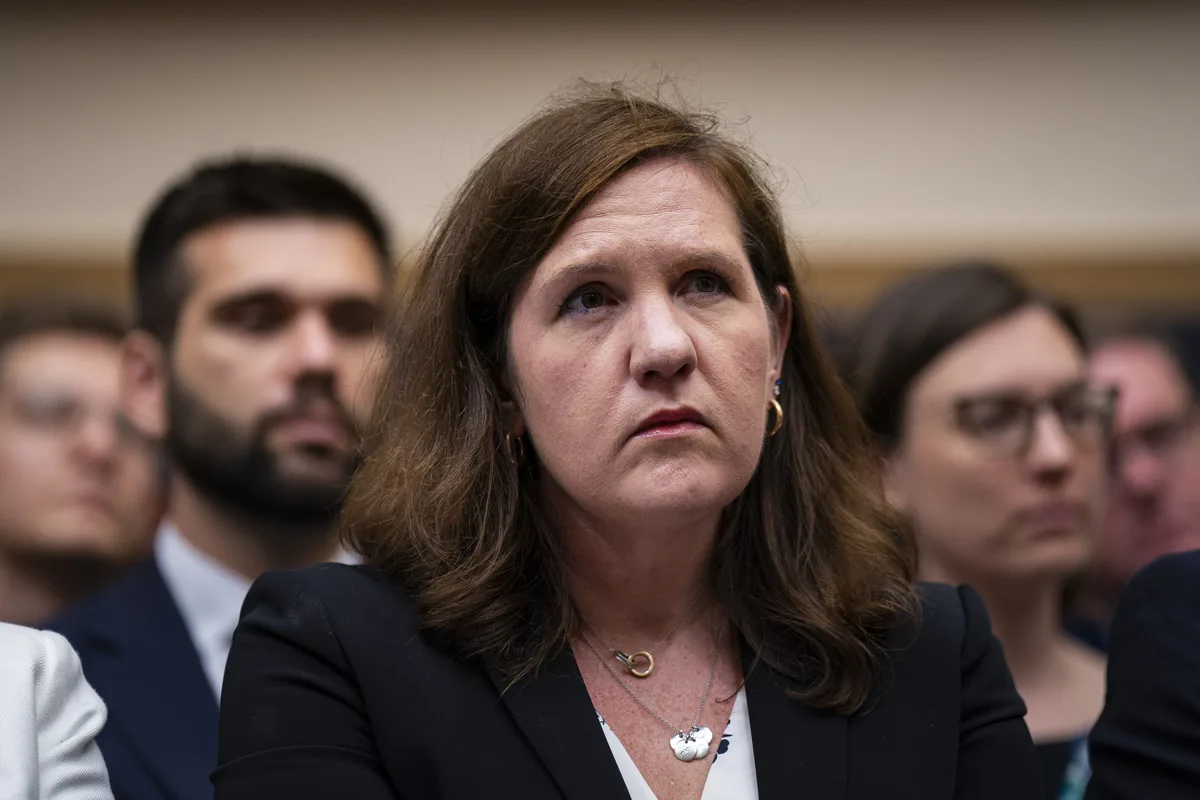
The U.S. Supreme Court handed President Donald Trump a sweeping executive-power victory, ruling that he has the authority to fire independent regulatory commissioners — a decision that directly clears the way for the removal of Federal Trade Commission Commissioner Rebecca Slaughter. The ruling dismantles a foundational legal barrier that had shielded agency heads from presidential termination for nearly a century.
At the heart of the case was Humphrey's Executor, a 1935 Supreme Court precedent that established Congress's ability to limit a president's power to dismiss leaders of independent federal agencies. That doctrine had long served as the legal backbone protecting commissioners at agencies like the FTC, FCC, and others from politically motivated firings. The court's decision to overturn it fundamentally reshapes the balance of power between the executive branch and independent regulators.
Read more Trump Decries Supreme Court Loss on Mail-In Ballot Ruling →
The ruling represents one of the most significant expansions of presidential authority in modern administrative law. By removing the statutory protections that insulated independent agency officials from at-will termination, the decision brings those positions far closer to Cabinet-level roles, where the president has always held clear removal power. Legal scholars had debated for years whether Humphrey's Executor could survive a direct constitutional challenge, and the court has now answered that question definitively.
The practical consequences could ripple across the federal regulatory landscape, potentially giving Trump — and future presidents — the ability to reshape or redirect independent agencies by replacing commissioners who resist White House policy priorities. Critics warn the ruling erodes the independence that insulates expert regulators from partisan interference, while supporters argue it restores proper constitutional accountability within the executive branch.
Continue reading at US Top News and Analysis.