Trump Administration Cuts Medicaid, CHIP Funds for Youth Gender Care
The Trump administration is barring federal Medicaid and CHIP dollars from covering gender-affirming care for minors, though states retain authority to fund treatments independently.
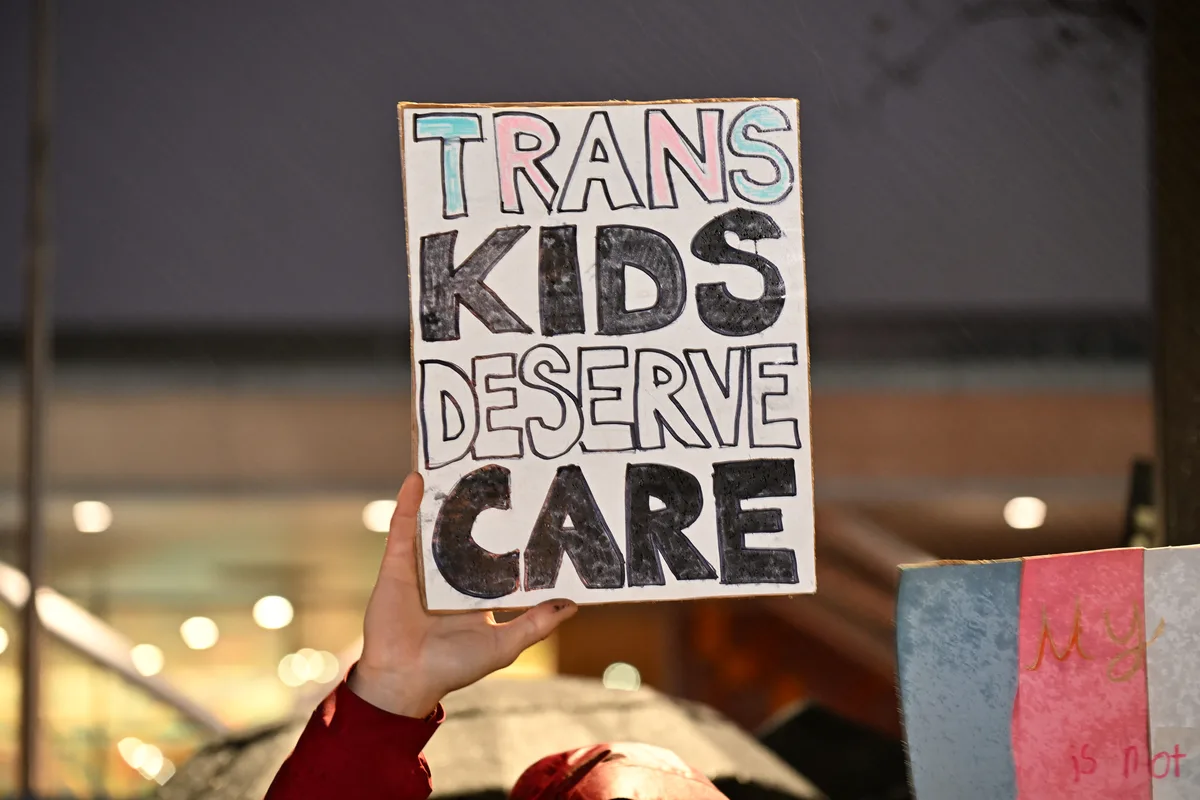
The Trump administration moved Wednesday to block federal Medicaid and Children's Health Insurance Program funding from being used to pay for gender-affirming care for children, marking one of the most consequential healthcare policy shifts targeting transgender youth since the administration took office.
Under the new directive, federal dollars flowing through both Medicaid and CHIP — two programs that together cover tens of millions of low-income Americans, including a large share of the nation's children — will no longer be permitted to finance gender-affirming treatments for minors. The policy change does not amount to a nationwide ban on such care, but it creates a significant financial barrier for families in lower-income brackets who rely on public insurance.
Read more Congressman Files 22 Late Stock Trades, Some Nearly Two Years Old →
Critically, states retain the legal authority to cover gender-affirming care for children using their own funds. That distinction means the real-world impact of the policy will vary sharply depending on where a family lives, with states that have enacted protective legislation for transgender youth likely to fill some of the funding gap, while others may not.
The move fits a broader pattern in the Trump administration's second term of using executive and regulatory levers to restrict access to gender-affirming care, particularly for minors, across federal programs and institutions. Healthcare policy advocates and civil rights organizations are expected to mount legal challenges, arguing the restrictions discriminate on the basis of sex and could leave vulnerable children without medically necessary treatment.
The long-term implications for pediatric healthcare access remain uncertain, as courts, state legislatures, and federal agencies continue to contest the boundaries of gender-affirming care policy across the country. Continue reading at US Top News and Analysis.