Trump's Canada Trade War May Revive Federal Reserve QE
Escalating U.S.-Canada trade tensions could push the Fed back toward quantitative easing, a move analysts say would lift gold, stocks, and long bonds.
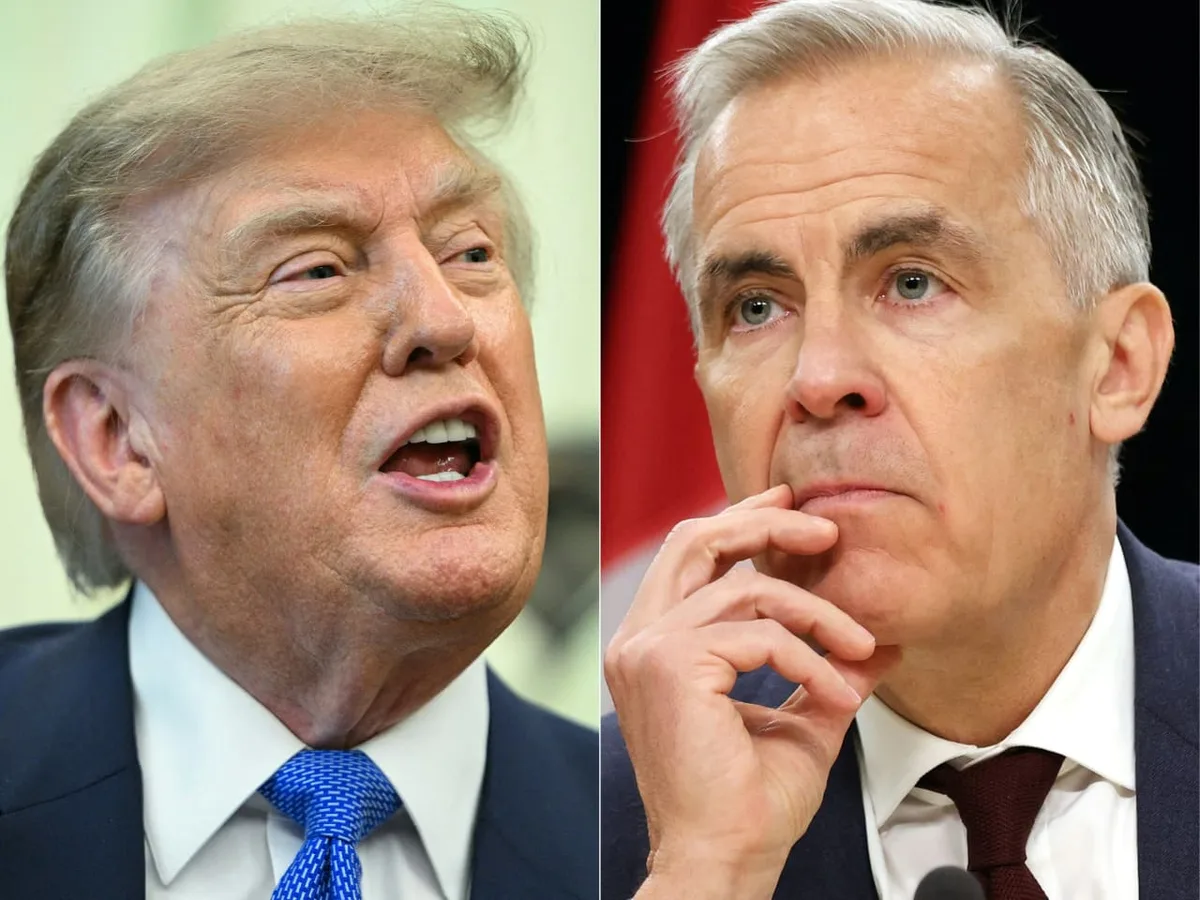
A deepening trade war between the United States and Canada is raising the prospect that the Federal Reserve could return to quantitative easing — the large-scale bond-buying program last deployed during periods of severe economic stress — according to analysis published by MarketWatch. The scenario, if realized, would represent a dramatic policy reversal for a central bank that spent recent years aggressively unwinding its balance sheet.
Quantitative easing, or QE, involves the Fed purchasing Treasury and other bonds in bulk to inject liquidity into financial markets and push down long-term interest rates. Analysts tracking the U.S.-Canada trade dispute argue that prolonged tariff escalation could slow growth sharply enough to force the Fed's hand, making renewed asset purchases not just possible but necessary to prevent a deeper economic contraction.
Read more Jim Cramer's Club Downgrades Two AI Stocks Amid Caution →
For investors, the potential return of QE carries significant implications across multiple asset classes. Gold, which tends to benefit from currency debasement fears and lower real yields, would likely rally in such an environment. Equities could also see a boost as cheaper borrowing conditions inflate valuations, while long-duration Treasury bonds would gain as yields decline in response to aggressive Fed buying — though the timing of those moves remains uncertain and market-dependent.
The U.S.-Canada trade relationship is one of the largest and most integrated bilateral economic partnerships in the world, meaning sustained tariff friction carries outsized risks for North American supply chains, inflation dynamics, and growth trajectories on both sides of the border. Any signal from the Fed that it is considering renewed stimulus would almost certainly accelerate market moves in gold, equities, and fixed income well before an official policy announcement.
Continue reading at MarketWatch.com