U.S. Auto Industry Braces for Uncertainty Over USMCA Deal Extension
Automakers face growing anxiety as the USMCA trade deal's future remains unresolved, with rules of origin at the heart of the dispute.
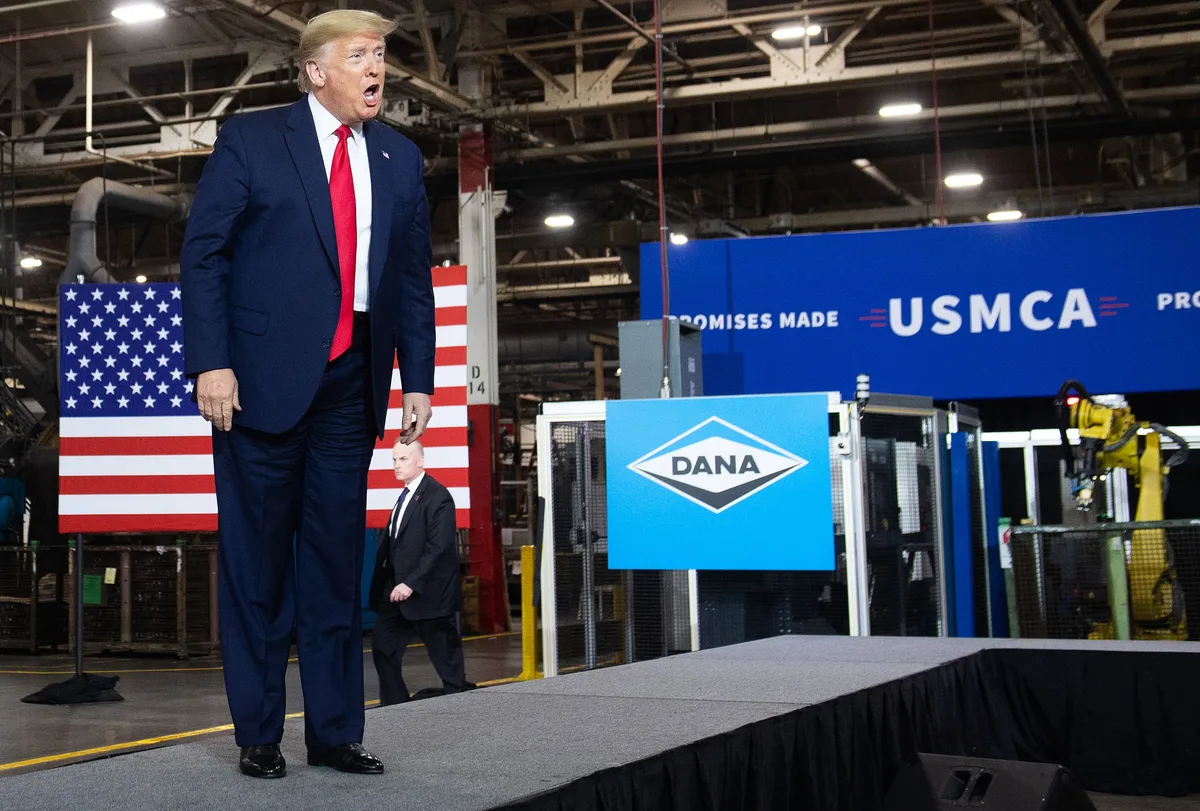
The U.S. auto industry is confronting a deepening wave of uncertainty as the future of the United States-Mexico-Canada Agreement hangs in the balance, with no extension of the landmark trade deal yet secured. Manufacturers across the sector are watching closely, aware that the outcome could reshape production strategies, supply chains, and vehicle pricing for years to come.
At the center of the controversy are the agreement's rules of origin — the provisions that define where a product is considered to have been made and which goods qualify for preferential tariff treatment under the deal. For automakers, these rules are not a bureaucratic footnote; they directly govern what percentage of a vehicle's content must come from North America for that vehicle to cross borders duty-free.
Read more Former Retail Giant Shutters More Than 1,000 Stores →
Without a clear extension or renegotiation, companies that have built complex, cross-border supply networks around USMCA's framework face the prospect of recalibrating operations under significant legal and financial ambiguity. The ripple effects could extend beyond manufacturers to parts suppliers, assembly workers, and ultimately consumers who may absorb higher costs.
Industry analysts note that the uncertainty itself carries economic weight — capital investment decisions, factory expansions, and long-term sourcing contracts are all difficult to commit to when the governing trade architecture is in flux. The auto sector, already navigating an expensive transition toward electric vehicles, can ill afford additional structural headwinds.
Continue reading at US Top News and Analysis.