Uber Bets $500M on Robotaxis as Waymo and Tesla Race Ahead
Uber is pouring $500 million into robotaxi partnerships as Waymo and Tesla battle for autonomous ride-hail dominance.
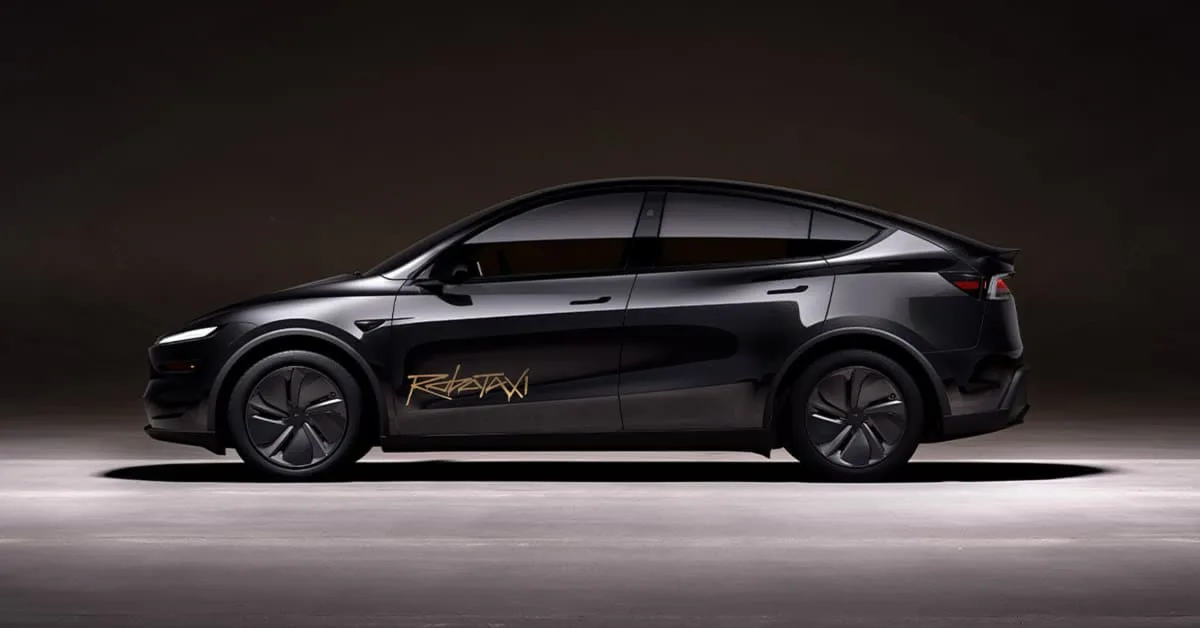
Uber is making the biggest financial play in the autonomous vehicle industry without building a single self-driving car, committing $500 million to secure robotaxi partnerships as competitors Waymo and Tesla accelerate their own race for dominance in the sector. The spending spree signals how urgently Uber views the threat posed by fully autonomous ride-hail networks that could eventually bypass its platform entirely.
Waymo, the Alphabet-backed autonomous driving unit, has emerged as the most operationally mature robotaxi service in the United States, running commercial rides in multiple cities. Tesla, meanwhile, is pressing its case with a vast fleet of consumer vehicles it hopes to convert into autonomous taxis through software upgrades. Both represent existential pressure on Uber's core business model, which depends on human drivers.
Read more Universe Pharmaceuticals Buys Best Praise in $10.75M Deal →
Uber's counterstrategy is to become the dominant marketplace for robotaxis rather than build the technology itself — essentially betting that it can remain the indispensable distribution layer no matter whose autonomous vehicles ultimately win. By writing nine-figure checks to robotaxi operators, Uber is attempting to lock in supply before rivals can build direct-to-consumer alternatives that cut it out of the equation.
The stakes are enormous. Robotaxis promise to eliminate the single largest cost in ride-hailing — driver compensation — potentially reshaping the economics of urban transportation at scale. Whichever company controls the most rides stands to capture an outsized share of a market analysts widely expect to be worth hundreds of billions of dollars in the coming decades.
The three-way dynamic among Uber, Waymo, and Tesla underscores a broader reality: the autonomous vehicle race is no longer just about who builds the best self-driving technology, but who controls the customer relationship when humans are no longer behind the wheel. Continue reading at MarketWatch.com