UN Maritime Agency Rejects Hormuz Transit Fees After Trump Demand
The IMO pushed back against proposed Hormuz transit fees after Trump called on nations to pay for strait protection.
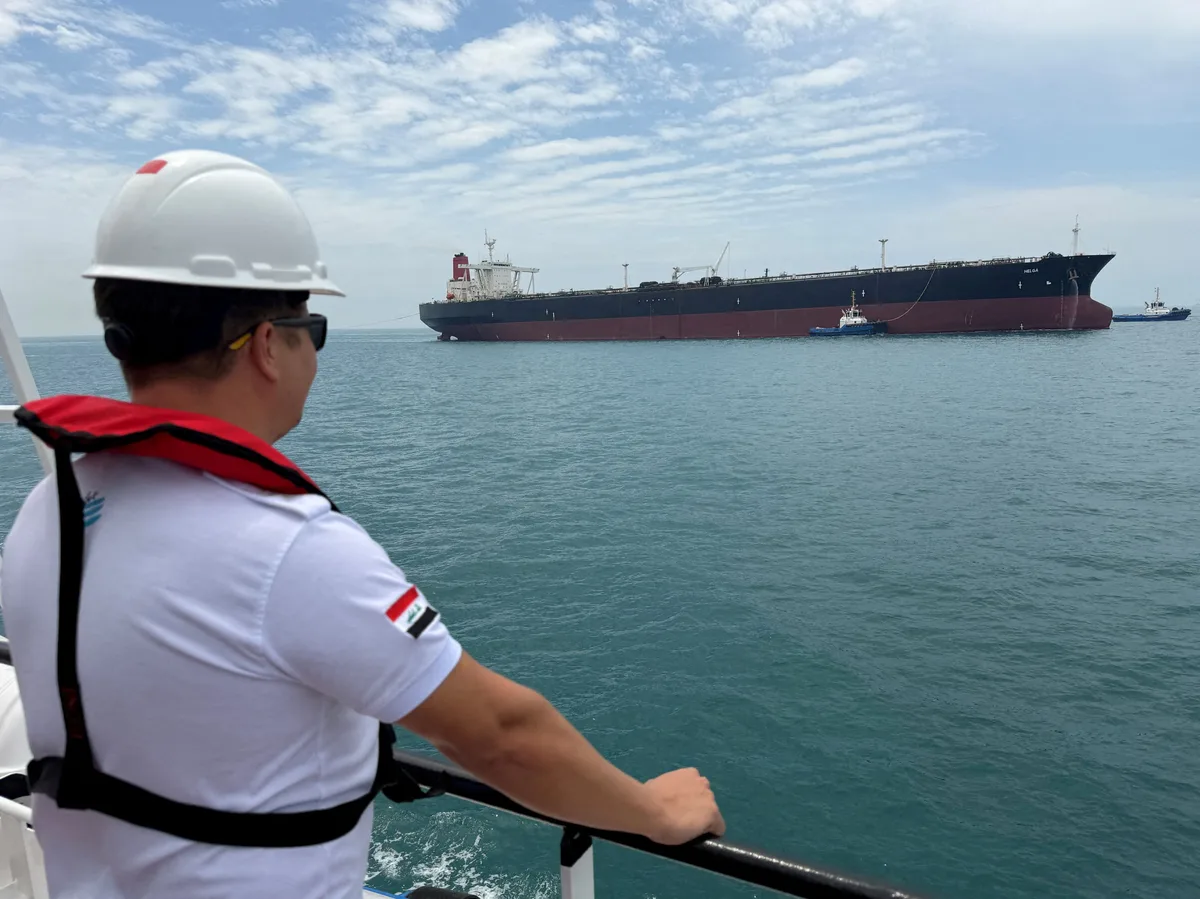
The United Nations' International Maritime Organization moved to oppose any imposition of transit fees in the Strait of Hormuz, responding directly to President Donald Trump's demand that countries pay for American-provided security in the critical waterway. The pushback from the UN body signals a sharp diplomatic divide over who bears responsibility for keeping one of the world's most vital shipping lanes open.
Tensions in the strait have escalated sharply after Iran conducted attacks on multiple commercial vessels transiting Hormuz over the course of the past week, raising alarm among global shipping interests and governments dependent on the passage for oil and trade flows. The deteriorating security environment has intensified debate over how naval protection should be funded and coordinated.
Read more Wall Street Transfer Agents Warn SEC on Third-Party Token Risks →
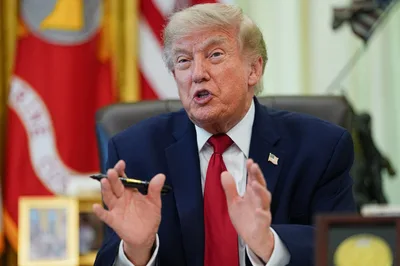
Trump's demand for what critics have characterized as "protection money" reflects a broader posture of seeking burden-sharing from allies and trading partners who benefit from U.S. military presence in the Persian Gulf. The administration has argued that American taxpayers should not exclusively shoulder the cost of safeguarding a chokepoint through which a significant portion of the world's oil supply moves.
The IMO's opposition underscores the legal and logistical complications of imposing fees on a strait that falls under international maritime law guaranteeing freedom of navigation. Any unilateral attempt to levy transit charges could trigger legal challenges and diplomatic fallout among the dozens of nations whose economies depend on unimpeded Hormuz passage.
The standoff leaves the future of Hormuz security arrangements deeply uncertain at a moment when Iranian attacks have already demonstrated the corridor's vulnerability. Continue reading at US Top News and Analysis