US Strikes Iran After Trump Cites Ceasefire Violation in Strait
The US launched strikes against Iran after Trump accused Tehran of violating a 60-day ceasefire agreement tied to ongoing diplomatic talks.
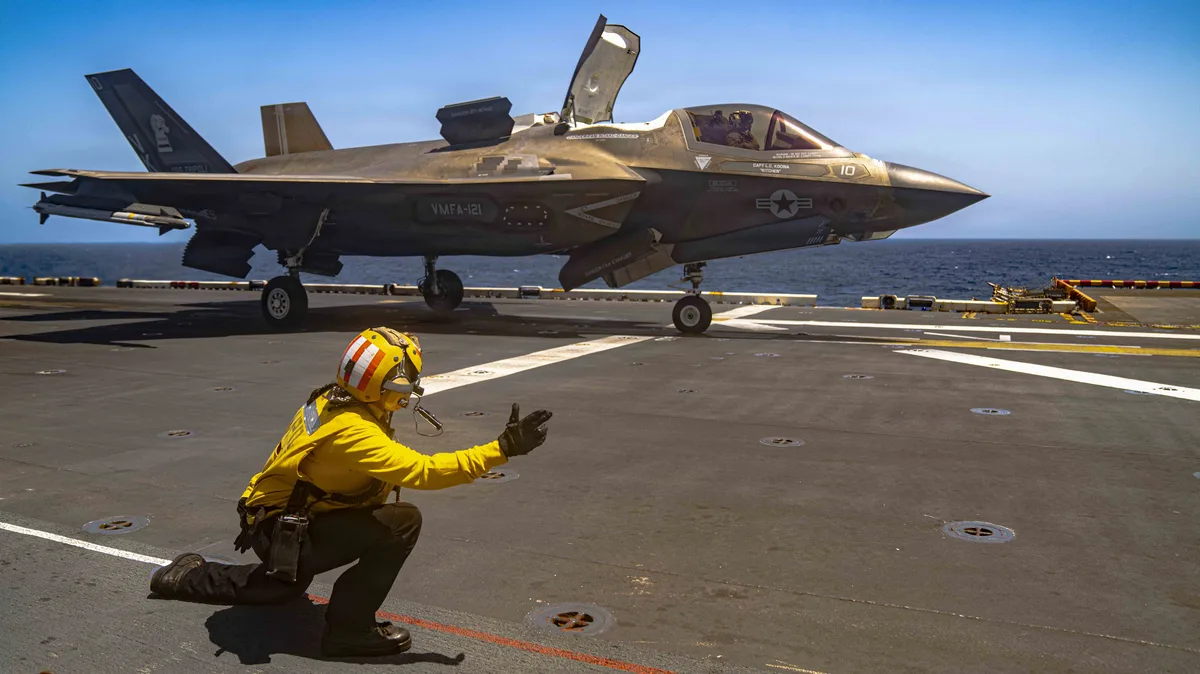
The United States launched military strikes against Iran on Saturday after President Donald Trump accused Tehran of violating the terms of an active ceasefire agreement, escalating tensions in one of the world's most strategically critical waterways — the Strait of Hormuz. The attack marks a dramatic rupture in what was supposed to be a period of restrained engagement between the two nations.
The strikes came during a declared 60-day window of no hostilities, a framework that both Washington and Tehran had agreed to as a backdrop for ongoing negotiations aimed at ending their conflict. The fact that military action occurred inside that window signals a serious breakdown in the diplomatic process and raises urgent questions about the viability of continued talks.
Read more SEC and CFTC Seek Public Input on Unified Margin Rules →
The Strait of Hormuz is one of the most consequential chokepoints in global energy markets, with roughly 20 percent of the world's oil supply transiting the narrow passage annually. Any sustained military confrontation in or near the strait carries major implications for energy prices, global shipping, and broader regional stability across the Middle East.
Trump's decision to authorize strikes while accusing Iran of ceasefire violations suggests the administration believes Tehran acted in bad faith during the negotiation period. The move dramatically raises the stakes for any future diplomacy and could harden positions on both sides at a moment when de-escalation appeared, until now, to be within reach.
Analysts will be watching closely for Iran's response and whether the ceasefire framework can be salvaged or whether this exchange marks the beginning of a broader confrontation. Continue reading at US Top News and Analysis.