Why Classic Safe-Haven Assets Are Failing Investors in 2025
Treasurys, the Japanese yen, and gold are no longer reliably cushioning portfolios during market swings, signaling a shift in investor behavior.
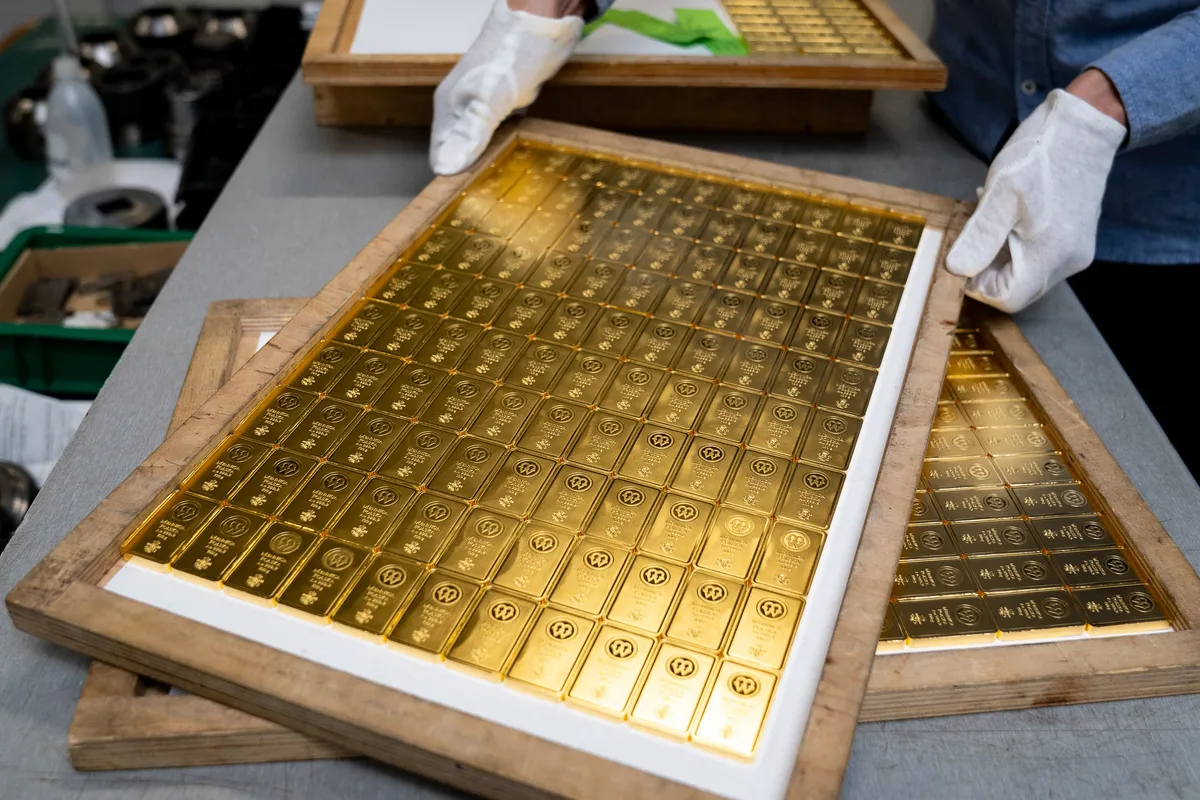
Three of Wall Street's most trusted defensive plays — U.S. Treasury bonds, the Japanese yen, and gold — have lost their grip as reliable shock absorbers during the turbulent market conditions of 2025, raising urgent questions about where investors can turn when volatility strikes.
For decades, the logic was simple: when stocks sold off, money poured into Treasurys, pushing yields down and prices up. The Japanese yen carried a similar reputation, strengthening during risk-off episodes as carry trades unwound. Gold, the oldest store of value, was expected to hold firm or rally when confidence in paper assets cratered. This year, that playbook has repeatedly broken down.
Read more Apple Closes In on Nvidia for World's Most Valuable Company Title →
The breakdown matters beyond academic interest. Institutional and retail investors alike build portfolio hedges around the assumption that these assets will zig when equities zag. When correlations shift and traditional safe havens fail to perform their protective role, entire risk-management frameworks are called into question, forcing a fundamental reassessment of how diversification actually works under current market conditions.
Analysts and portfolio managers are now grappling with what has structurally changed — whether it is elevated inflation expectations eroding the real value of fixed income, shifting central bank policies altering currency dynamics, or broader confidence questions around U.S. fiscal credibility affecting the traditional flight-to-quality trade. Each factor compounds the challenge of finding genuine shelter in a storm.
The implications for everyday investors are significant: strategies inherited from prior market cycles may no longer offer the downside protection they once did, making this an inflection point for how both professionals and individuals think about risk. Continue reading at US Top News and Analysis.