Why the S&P 500 Barely Moved Despite Big Market Catalysts
The S&P 500 closed Thursday nearly flat despite multiple factors that should have driven a significant move.
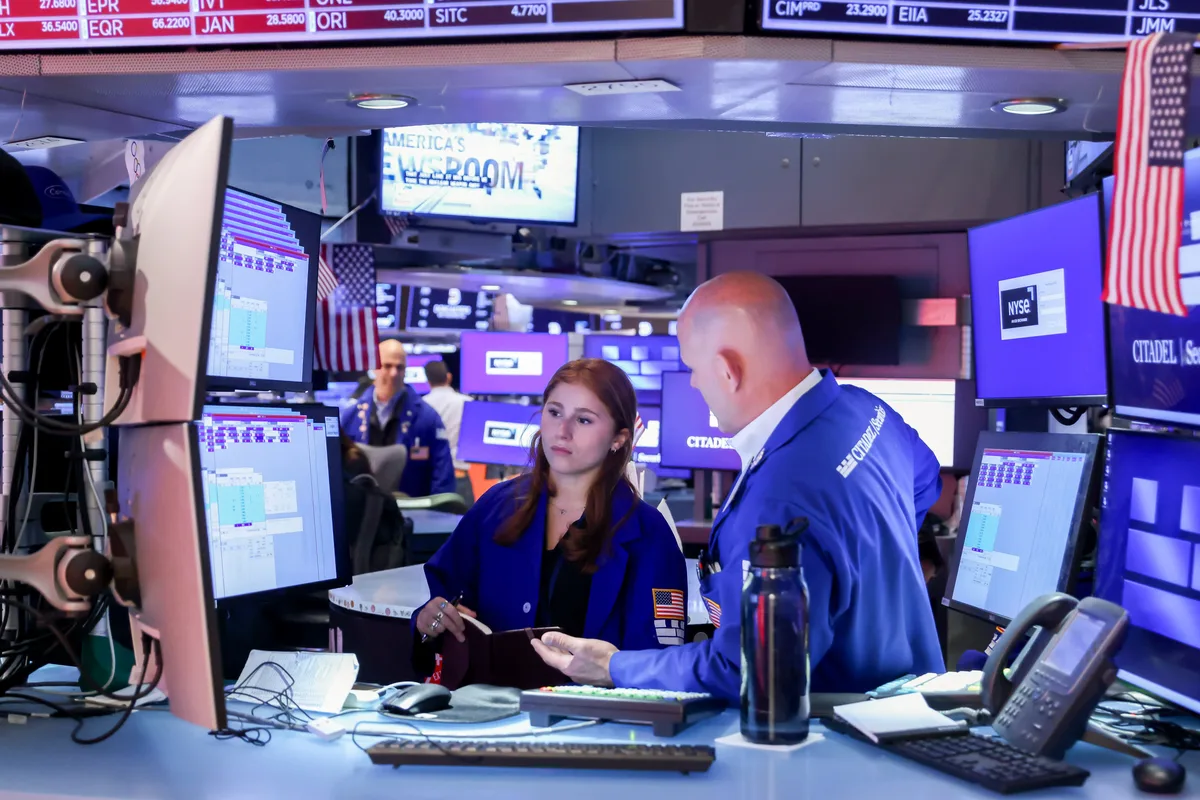
The S&P 500 finished Thursday's session almost precisely where it ended Wednesday, a puzzling outcome given the number of catalysts that were present and capable of pushing stocks sharply in either direction. Markets watchers were left searching for an explanation behind the index's unusual stillness.
When major economic data, earnings reports, or geopolitical developments converge in a single session, traders typically respond with outsized moves. The fact that the benchmark index absorbed those inputs and went virtually nowhere suggests that countervailing forces were at work behind the scenes, quietly offsetting buying and selling pressure.
Read more Securitize Eyes $400M Raise Ahead of Public Market Debut →
One possible explanation centers on technical or structural market dynamics — such as options positioning, dealer hedging, or end-of-week rebalancing flows — that can act as a gravitational pull on index prices, keeping them pinned near key levels regardless of the news environment. These mechanical forces are often invisible to casual observers but can dominate price action over short windows.
Analysts have increasingly pointed to the growing influence of zero-day options and large institutional hedges as factors that can suppress volatility even when the fundamental backdrop appears turbulent. When dealers are forced to hedge in the opposite direction of the market's moves, the net effect can be a flattening of what might otherwise be dramatic swings.
The episode underscores how modern market structure has made short-term price behavior harder to read at face value. A calm tape no longer necessarily signals investor confidence — it may simply reflect the arithmetic of offsetting flows. Continue reading at US Top News and Analysis.