Wisconsin and Michigan Primaries Reveal Polling Blind Spots
Back-to-back primary upsets in Wisconsin and Michigan are exposing serious reliability gaps in polls and prediction markets.
Polling failures and misfiring prediction markets took center stage again after primary elections in Wisconsin and Michigan delivered results that confounded forecasters, raising fresh questions about the tools political observers rely on most. The twin misses occurred within just over a week of each other, intensifying scrutiny of an industry already under pressure after several high-profile projection errors in recent election cycles.
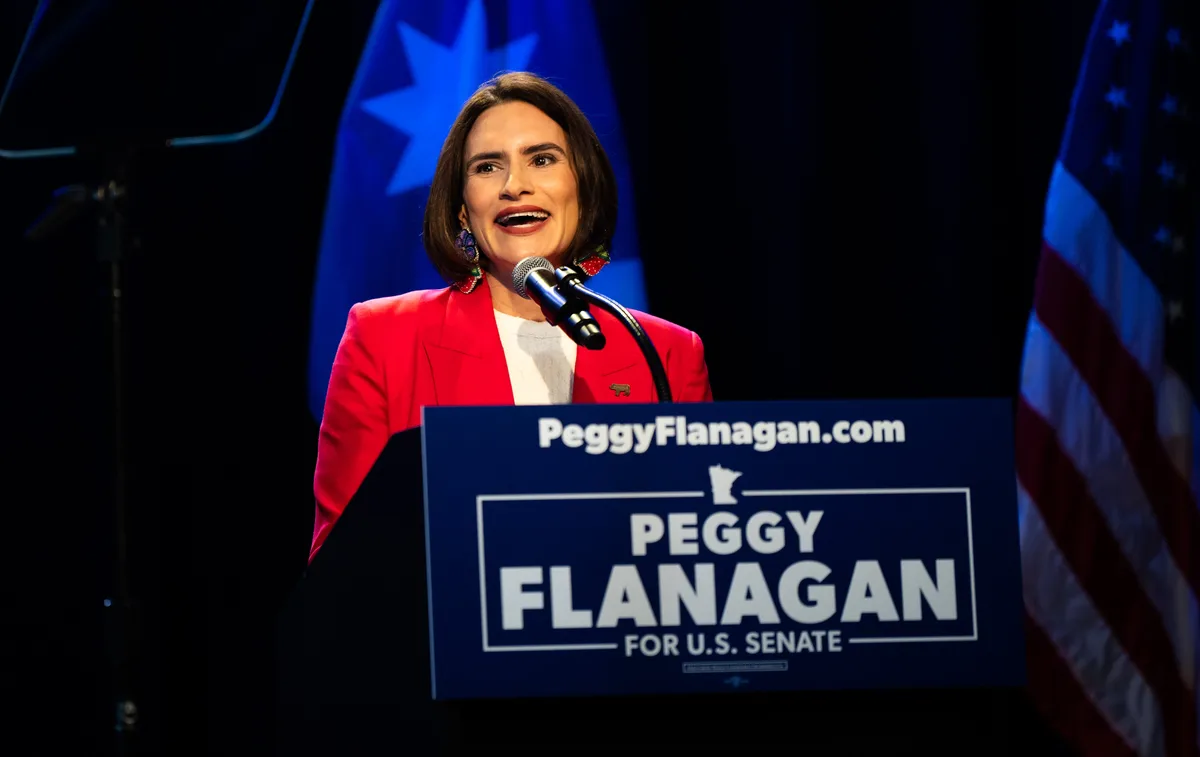
The most recent stumble followed a miss in the Democratic U.S. Senate primary in Michigan, where prediction markets and survey data both failed to accurately capture the outcome. Wisconsin's primary compounded the problem, suggesting these errors are not isolated flukes but potentially systemic weaknesses in how data is collected, weighted, and interpreted ahead of lower-turnout contests.
Read more Federal Trade Court Upholds Trump's De Minimis Loophole Closure →
Primary elections have long been notoriously difficult to poll accurately. Likely-voter screens, which are designed to filter out people unlikely to cast ballots, become especially unreliable when turnout patterns are unpredictable — a chronic challenge in primaries where enthusiasm, not habit, often drives participation. Prediction markets, which aggregate the financial bets of participants rather than survey responses, were once seen as a corrective to traditional polling, but these back-to-back misses suggest they share many of the same blind spots.
The consecutive failures are likely to fuel a broader debate about whether the political forecasting ecosystem needs structural reform — from how polls are conducted and reported to how much weight media organizations and campaigns place on prediction market odds. Analysts warn that over-reliance on any single forecasting tool creates a false sense of certainty in races that remain genuinely competitive until votes are counted.
Continue reading at US Top News and Analysis.