AI Data Center Backlash Goes Bipartisan Ahead of Midterms
Opposition to AI data centers is uniting voters across party lines in multiple states with midterm elections under 90 days away.
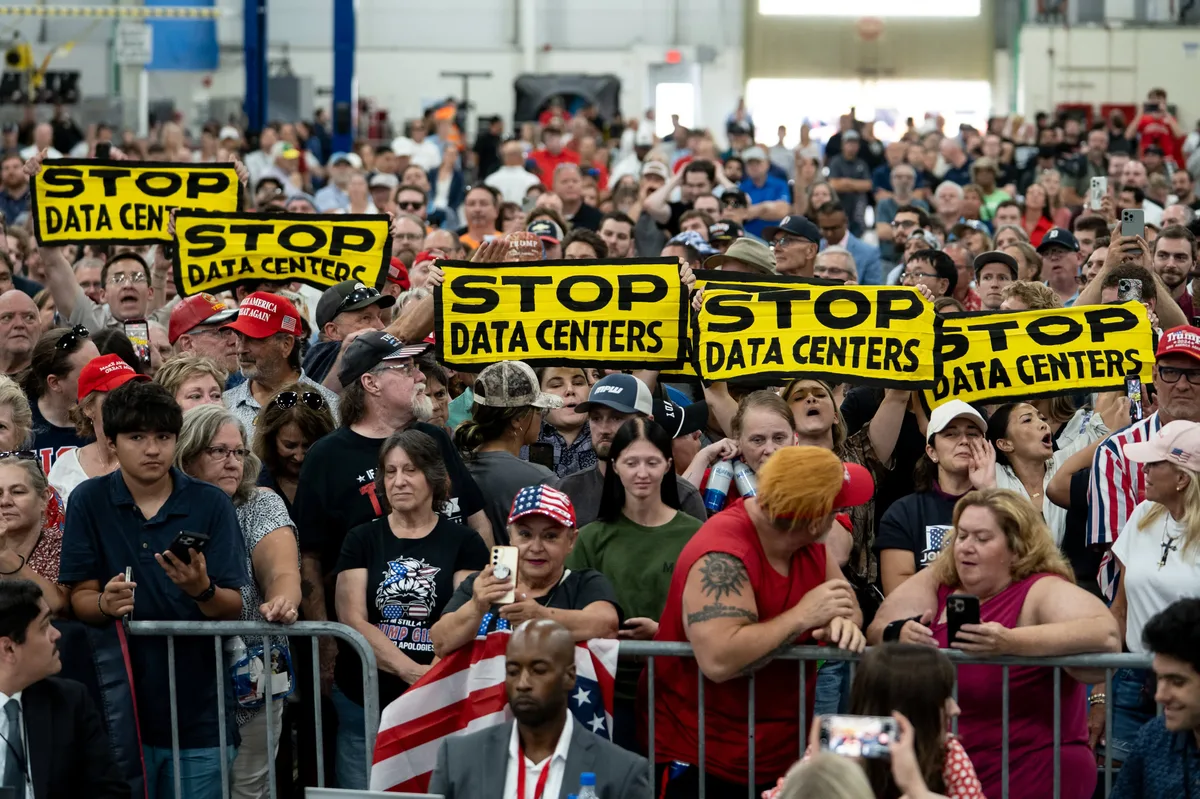
With fewer than three months before midterm elections, resistance to artificial intelligence data centers has emerged as a rare bipartisan flashpoint, drawing opposition from communities across the political spectrum in a growing number of states. The issue is no longer confined to local zoning disputes — it is surfacing in political ads, candidate platforms, and grassroots campaigns nationwide.
Data centers powering AI systems require enormous amounts of electricity and water, and their rapid expansion into residential and rural areas has sparked concern over rising utility costs, environmental strain, and the sheer scale of industrial infrastructure landing in communities with little warning. Those grievances are proving potent enough to bridge a deeply divided electorate.
Read more Treasury Issues Low-Cost Investment Rules for Trump Accounts →
The bipartisan nature of the pushback is notable in today's polarized political climate. Conservatives have raised alarms about government subsidies flowing to large tech companies and the burden on local power grids, while progressives have focused on water consumption, land use, and the concentration of corporate power — different arguments converging on the same target.
Political strategists and candidates appear to be taking notice, folding data center opposition into their messaging as a way to connect with constituents frustrated by rapid technological change that seems to arrive without public input. What began as neighborhood-level resistance is now shaping campaign narratives with real electoral stakes.
As AI investment accelerates and more facilities are proposed or approved across the country, the political pressure on lawmakers to respond — through regulation, taxation, or outright moratoria — is likely to intensify before November. Continue reading at US Top News and Analysis.