Warsh Faces Fed Independence Test as Bessent Eyes Bond Market
Treasury Secretary Bessent's push to control long-term yields is putting Fed nominee Kevin Warsh in a tough spot on central bank autonomy.
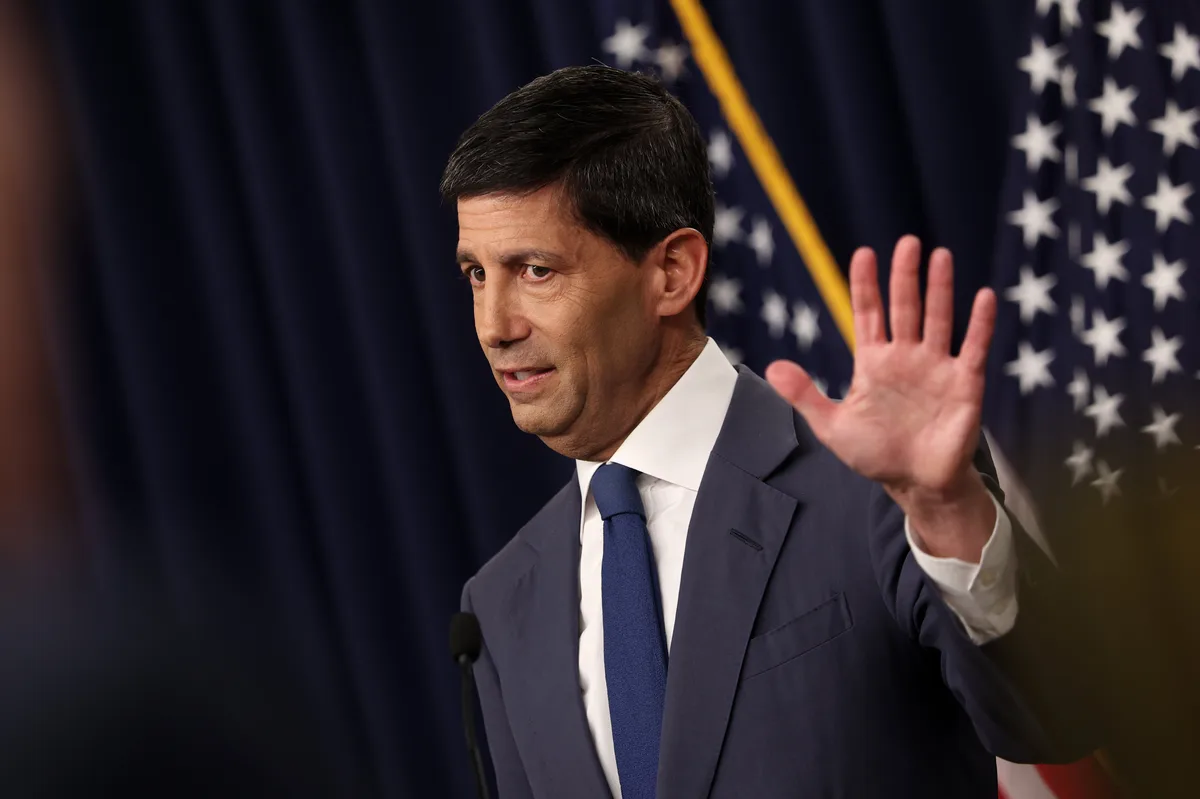
Kevin Warsh, President Trump's pick to lead the Federal Reserve, is facing an early and consequential test of central bank independence before he has even been confirmed, as Treasury Secretary Scott Bessent moves aggressively to influence long-term Treasury yields — territory that has traditionally fallen within the Fed's domain.
Bessent's campaign to push down long-term borrowing costs represents a deliberate policy strategy from the Treasury Department, one that risks blurring the lines between fiscal and monetary authority. The effort is forcing Warsh to articulate, sooner than expected, how much coordination between the Fed and Treasury he would tolerate — particularly on bond markets and the central bank's balance sheet.
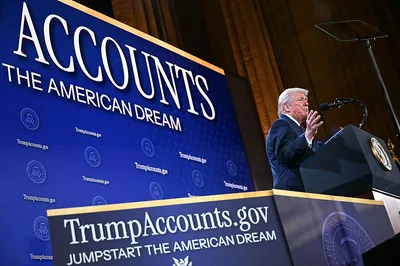
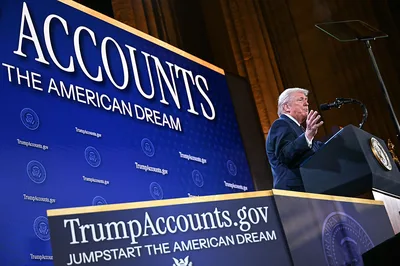
Read more Treasury Issues Low-Cost Investment Rules for Trump Accounts →
The stakes are significant. The Federal Reserve's credibility as an inflation fighter rests heavily on its perceived independence from political and executive pressure. Any appearance that a future Fed chair might defer to Treasury on decisions about bond purchases or the size of the balance sheet could unsettle markets and raise alarm among economists who view central bank autonomy as a cornerstone of price stability.
Warsh, a former Fed governor who has been critical of the central bank's past policy decisions, now finds himself navigating a narrow path: aligning sufficiently with the Trump administration's economic priorities while reassuring financial markets and lawmakers that he would protect the Fed's institutional independence. How he resolves that tension could define his tenure before it formally begins.
Continue reading at US Top News and Analysis.