Buffett Backs Estate Tax but Charity Gifts Shield His Fortune
Warren Buffett supports taxing the ultra-wealthy but his philanthropic giving means his estate will avoid billions in potential federal levies.
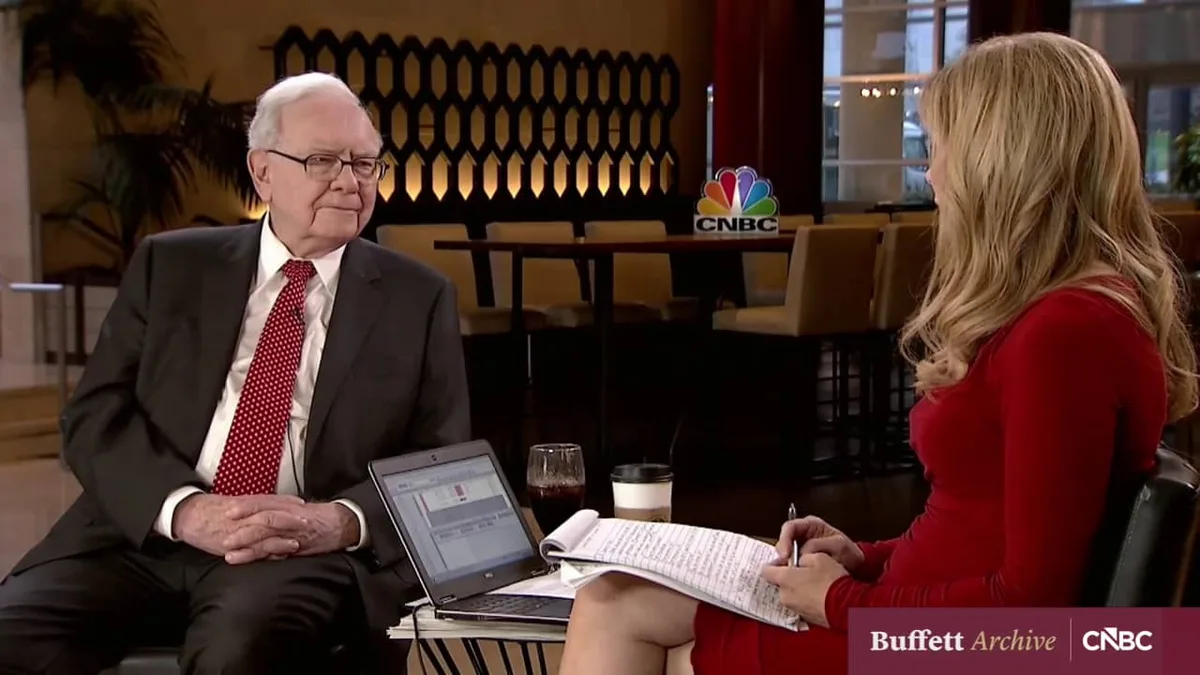
Warren Buffett, the billionaire chairman of Berkshire Hathaway, publicly supports the estate tax and has long argued that the wealthiest Americans are under-taxed — yet his own financial planning ensures his vast fortune will never face that levy. By pledging the overwhelming majority of his wealth to charitable foundations, Buffett has effectively routed his estate around the very tax he champions, joining a pattern common among America's richest individuals.
The estate tax, sometimes called the "death tax" by critics, applies to the transfer of large estates after a person dies. Supporters argue it curbs the intergenerational concentration of wealth, while opponents contend it punishes families who have already paid taxes on their assets. Buffett has historically sided with proponents, lending his high-profile name to arguments that billionaires should contribute more to public coffers.
Read more Trump Faces Lawsuits as New Tariffs Take Effect on Brazil, Canada →
Yet charitable giving offers a well-established and entirely legal path around estate taxation. Donations directed to qualifying nonprofit organizations or foundations are excluded from taxable estate calculations, meaning that wealth funneled through philanthropy escapes federal levies altogether. Buffett is far from alone in this approach — virtually all billionaires, regardless of their stated views on taxation, structure their estates in ways that minimize or eliminate estate tax exposure.
The contradiction highlights a broader tension in American tax policy: those most capable of paying estate taxes are also best positioned to employ attorneys, financial planners, and philanthropic vehicles that render the tax largely optional at the highest wealth levels. Critics argue this undermines the redistributive intent of the law, while defenders of charitable giving note that money directed to foundations still serves public purposes, even if it bypasses government allocation.
Continue reading at US Top News and Analysis