Carl Icahn Accused BlackRock of Shielding Bad CEOs in 2015 Clash
Activist investor Carl Icahn publicly challenged Larry Fink's BlackRock in 2015, claiming the firm protected Motorola's management at shareholders' expense.
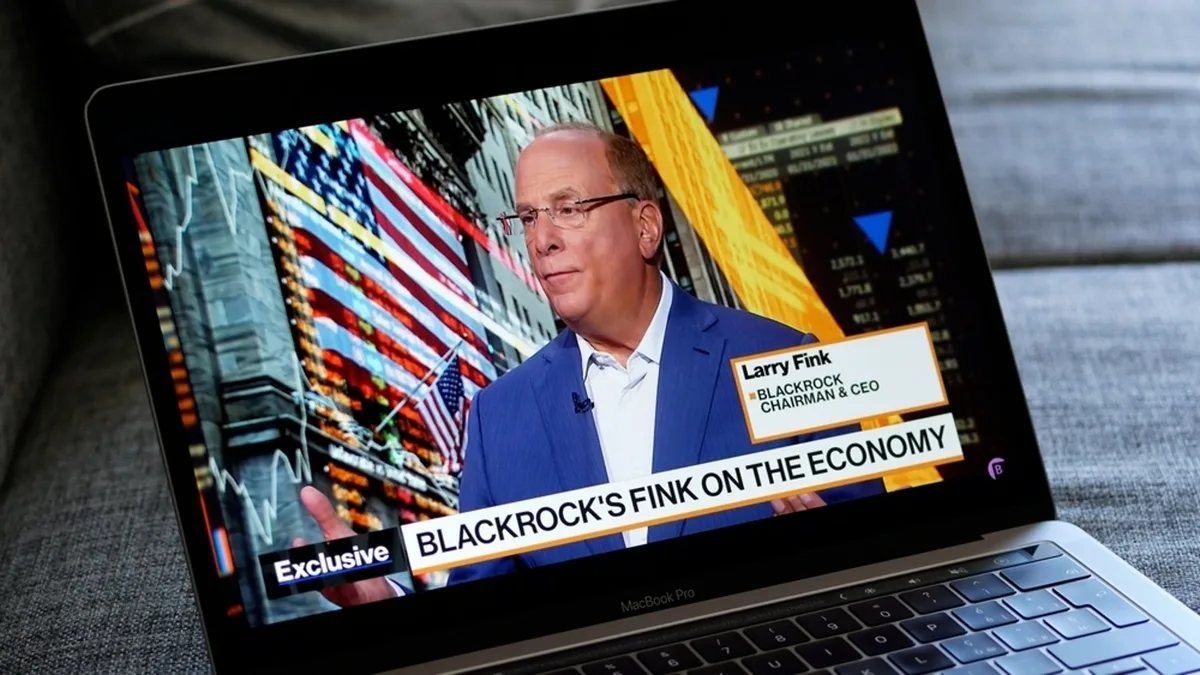
Activist investor Carl Icahn took direct aim at BlackRock and its chief Larry Fink in 2015, accusing the asset management giant of using its enormous influence to shield underperforming executives from accountability rather than defending the shareholders whose capital it managed.
At the center of Icahn's broadside was Motorola, a company he valued at roughly $9 billion and held up as a concrete example of what he described as BlackRock's pattern of siding with entrenched management teams over investors demanding change. For Icahn, a firm managing trillions in assets carried an outsized responsibility to push corporations toward better governance — and he believed BlackRock was failing that test.
Read more Pelosi and Trump Share Stakes in the Same 10 Stocks →
The confrontation highlighted a growing tension in that era between passive index giants, which were accumulating unprecedented voting power across corporate America, and activist investors who argued that concentrated, hands-off ownership created a shield around mediocre CEOs. Icahn's challenge to Fink was a rare public escalation of that debate, forcing attention onto how the world's largest asset managers exercise — or decline to exercise — their proxy votes.
BlackRock, which managed approximately $4.8 trillion at the time, has long maintained that it engages with portfolio companies through dialogue rather than confrontation. Critics like Icahn contended that such an approach amounted to a de facto endorsement of the status quo, leaving ordinary shareholders without a meaningful advocate at the boardroom table.
The episode now reads as an early skirmish in an ongoing national conversation about the responsibilities of passive investment behemoths — a debate that has only intensified as BlackRock's assets have grown far beyond the levels Icahn cited. Continue reading at Benzinga.