College Students Moving Into Retirement Communities for More Than Low Rent
Young students are finding unexpected value in senior living communities, building cross-generational relationships that go far beyond affordable housing.
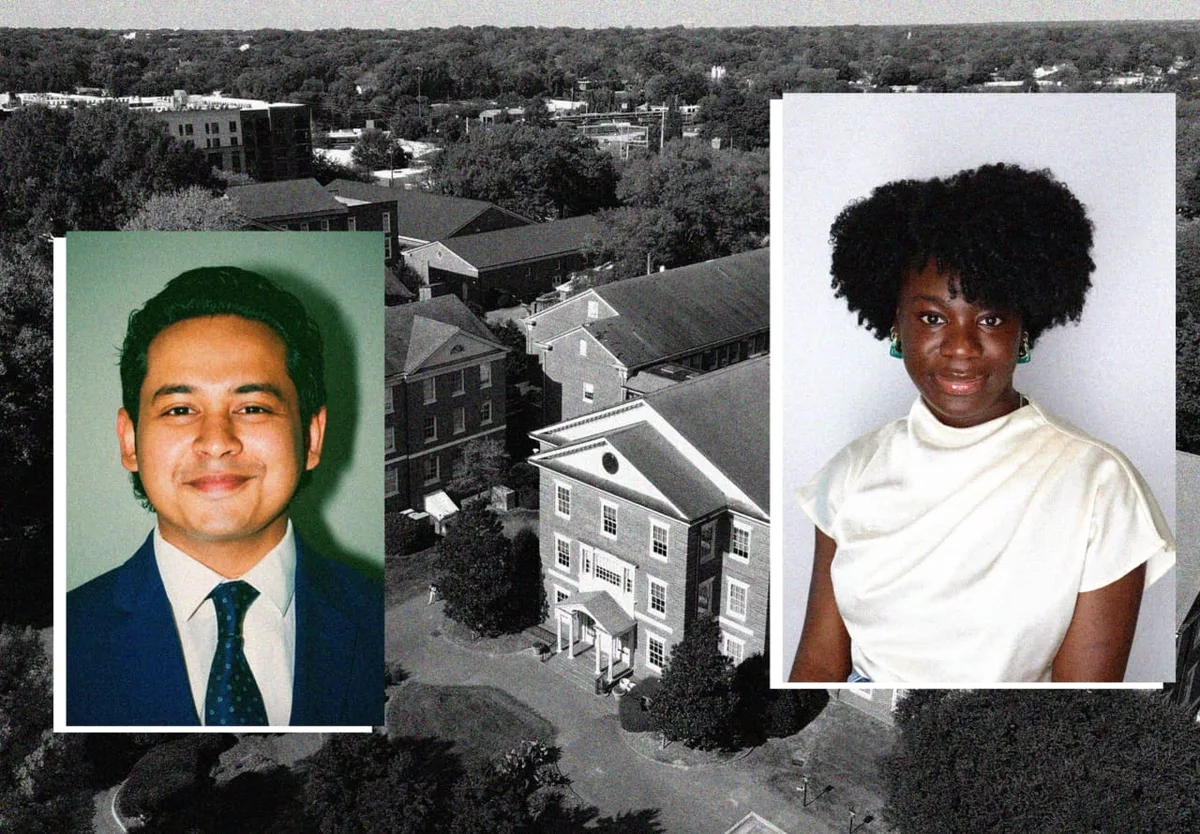
A growing number of college students are trading traditional dorm life for an unconventional arrangement: moving into retirement communities, where they are discovering benefits that stretch well beyond discounted or free rent. These young residents are becoming genuine participants in community life, organizing game nights, leading fitness classes, and spending meaningful time with elderly neighbors in ways that neither generation anticipated.
The intergenerational dynamic appears to be mutually rewarding. Students gain stable, often affordable housing in an era of skyrocketing campus-area rents, while senior residents benefit from the energy, companionship, and practical assistance that younger housemates bring. The arrangement is helping combat the social isolation that affects many older adults in institutional living settings, turning routine facility life into something more vibrant and connected.
Read more Net Worth Benchmarks by Age to Get Financially Ahead in the U.S. →
The trade-offs are real and occasionally humorous. As one account noted, communal energy tends to wind down sharply after dinner — 'by 7:30 or 8, things get pretty quiet here' — a rhythm that contrasts sharply with the late-night culture most college students are accustomed to. Students in these programs typically agree to spend a set number of hours per week engaging with residents in exchange for reduced housing costs or other benefits.
The trend reflects broader pressures reshaping both higher education and elder care in the United States. With student housing costs climbing and senior loneliness recognized as a public health concern, programs that place young people inside retirement facilities are gaining institutional interest and media attention. Advocates say the model offers a rare policy solution that addresses two distinct social problems simultaneously, without requiring significant new public spending.
Whether this remains a niche experiment or scales into a mainstream housing option will likely depend on how well individual communities manage the generational culture gap — and whether students can adapt to an 8 p.m. bedtime culture. Continue reading at MarketWatch.com