Farmer's Social Security Benefit Exceeded His Own Estimate
A dairy farmer discovered his Social Security payout was higher than expected after milk income offset his barn loan obligations.
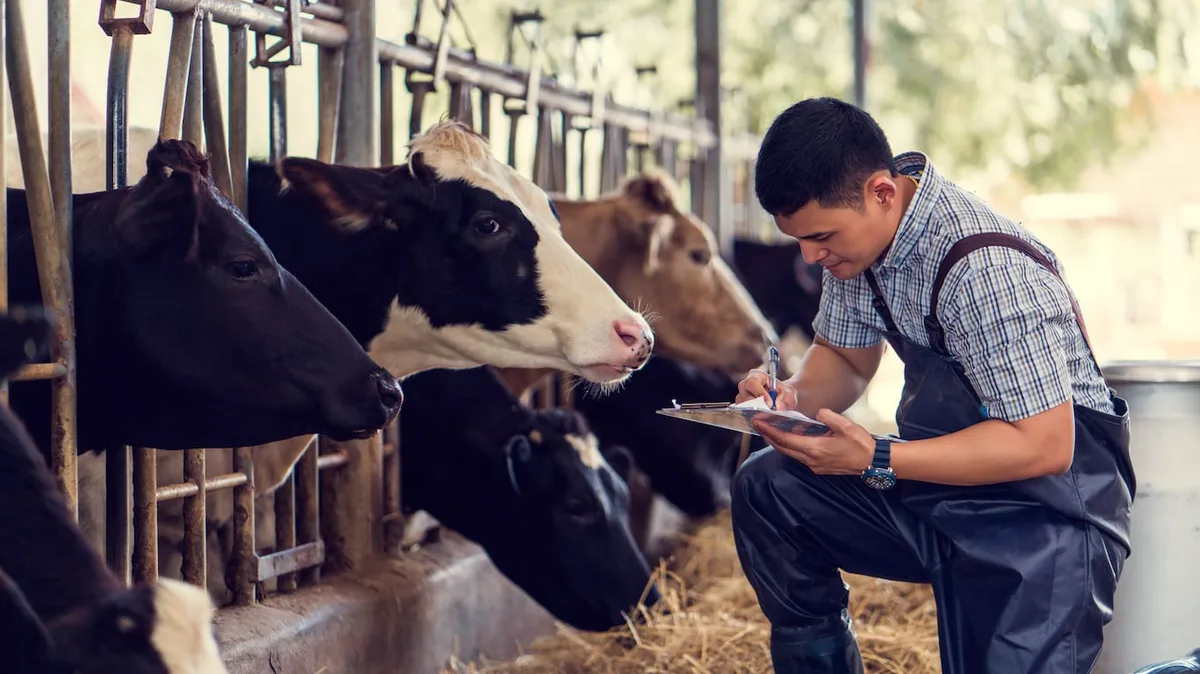
A dairy farmer received an unexpected financial revelation when the Social Security Administration determined his earned income was greater than he had personally calculated, according to a report from Yahoo Finance. The discrepancy centered on how farm revenue — specifically milk sale proceeds — was accounted for even when that money flowed directly toward repaying agricultural debt.
The case highlights a nuance many self-employed farmers overlook: gross farm income, not net cash-in-hand, is generally what Social Security uses to calculate lifetime earnings credits. When milk checks are deposited and immediately redirected to a barn loan payment, the farmer may feel as though he never truly "received" that money — but the agency may count it as earned income regardless.
Read more 30-Year Mortgage Rate Surge Puts 8% Back on the Table →
That distinction carries real consequences at retirement. Higher recorded earnings over a working lifetime translate into a larger monthly benefit, which is calculated using a worker's top 35 earning years. For farmers who habitually underestimate their own gross income — perhaps because expenses and debt payments consume most of it — the final Social Security figure can come as a genuine, and welcome, surprise.
The broader takeaway for agricultural workers and other self-employed Americans is that Social Security accounting does not mirror the way business owners experience cash flow day to day. Consulting with a financial advisor or the Social Security Administration well before retirement can help farmers and small-business owners better anticipate their actual benefit levels and plan accordingly.
Continue reading at Yahoo Finance.