Hormuz Oil Exodus Could Trigger Chaotic Market Rebalancing
A surge of oil fleeing the Strait of Hormuz is setting up a turbulent reshuffling of global crude supply routes and pricing dynamics.

A mass movement of oil away from the Strait of Hormuz is poised to unleash a disorderly rebalancing across global energy markets, raising alarm among traders, analysts, and importers who depend on the world's most critical oil chokepoint for roughly one-fifth of daily crude flows.
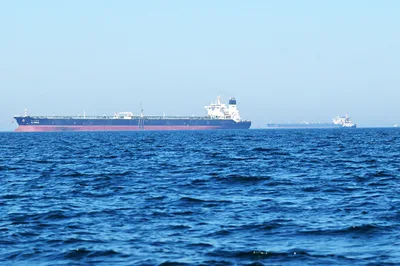
The Strait of Hormuz, the narrow waterway between Iran and Oman, serves as the primary export corridor for Persian Gulf producers including Saudi Arabia, Iraq, Kuwait, and the UAE. Any significant diversion of tanker traffic away from that route forces buyers and sellers to scramble for alternative supply chains — a logistical challenge that typically drives up freight costs, widens price spreads, and creates short-term supply gaps in key consuming regions.
Read more Short Bets Against Palantir, Rocket Lab, MSTR Led June Gains →
The scale of the current exodus suggests that geopolitical risk premiums are already being baked into crude benchmarks. When large volumes of oil simultaneously seek new pathways, competing demand for pipeline capacity, alternative port infrastructure, and available tanker fleets can collide — producing the kind of pricing chaos that rattles everything from Asian refinery margins to European energy bills.
Market participants now face the complex task of recalibrating long-standing supply agreements, insurance arrangements, and hedging strategies on short notice. The ripple effects could extend well beyond the immediate region, influencing how OPEC+ members manage output decisions and how consuming nations weigh their strategic petroleum reserve deployments in the months ahead.
Continue reading at Reuters.