How Trump's Shifting Tone Reshaped NATO in 48 Hours
A dramatic two-day stretch at NATO exposed how deeply Donald Trump's unpredictable diplomacy now drives alliance decision-making.
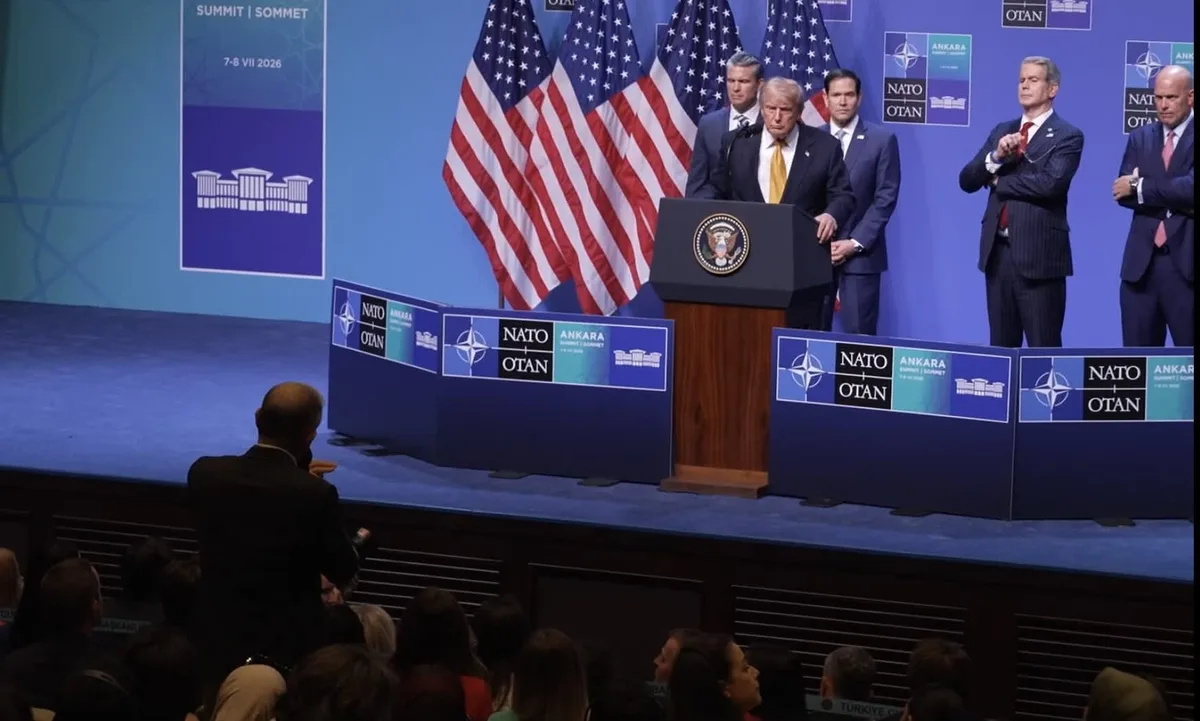
Donald Trump's fluctuating signals toward NATO allies triggered an extraordinary 48-hour stretch that forced European leaders to scramble for footing, according to reporting from CNBC's Steve Sedgwick, who went behind the scenes of the turbulent diplomatic episode. The rapid mood swings emanating from Washington left partner nations struggling to interpret American intentions and recalibrate their own positions in real time.
The episode underscored a defining feature of Trump's approach to multilateral alliances: unpredictability deployed as leverage. Rather than offering steady reassurances, Trump's changing tone kept allies in a reactive posture, compelling them to adjust policy stances before any firm commitment from the U.S. side had been established.
Read more Kevin Warsh Reveals Fed Task Force Members, Including Andreessen and McMillon →
For NATO, an institution built on predictable mutual defense commitments and consensus-driven deliberation, the whiplash dynamic created visible tension inside alliance corridors. Diplomats and officials were left guessing not only about the substance of U.S. positions but about the durability of any agreement reached during the compressed timeframe.
The broader implication is a structural shift in how global diplomacy functions when American leadership operates outside traditional norms. Allies now appear to be building contingency frameworks that account for sudden reversals from Washington — a strategic adaptation that would have been largely unnecessary in prior administrations. Whether that adaptation strengthens or fragments the alliance's long-term cohesion remains an open question among defense analysts.
Continue reading at US Top News and Analysis.