JD Vance: Economic Pressure Is Key to US Goals on Iran
Vice President JD Vance says sustained economic pressure on Iran is outperforming other strategies in advancing Washington's objectives.
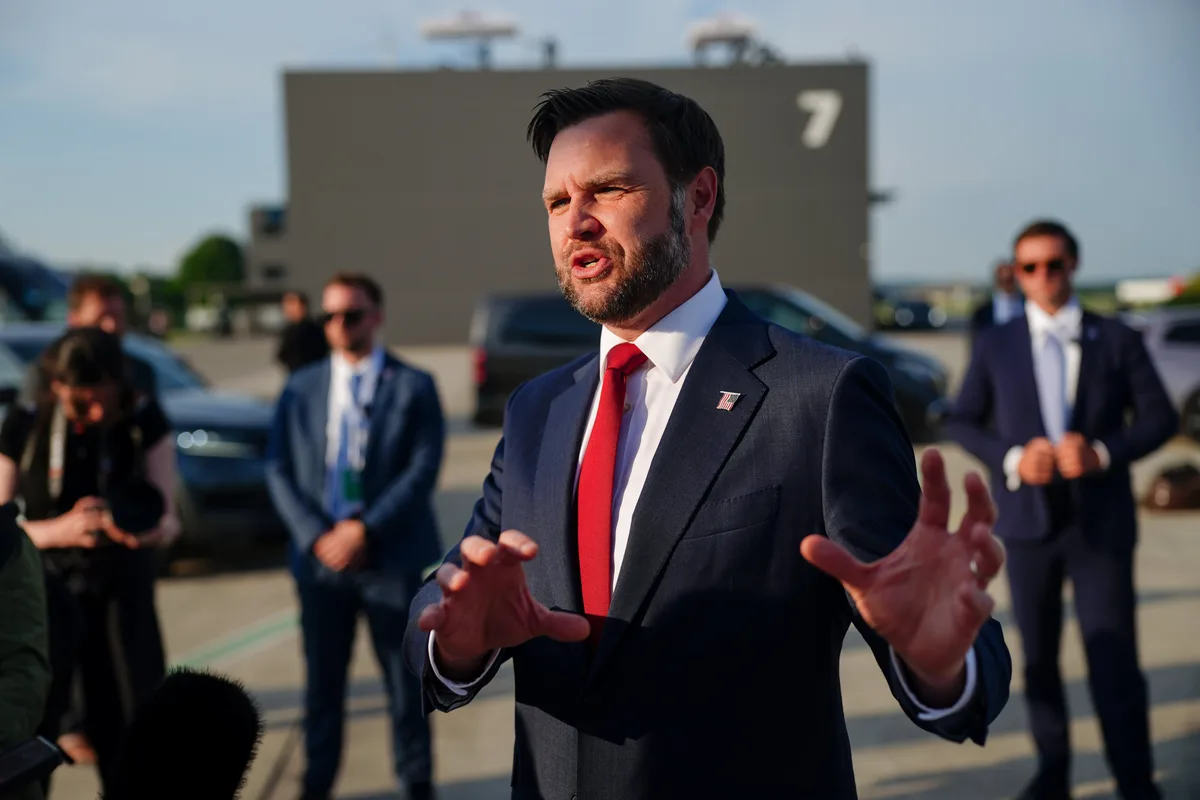
Vice President JD Vance publicly backed economic pressure as the most effective tool for achieving the United States government's goals regarding Iran, describing the current diplomatic and strategic approach as a carefully calibrated effort. Speaking on the matter, Vance made clear that recent weeks have demonstrated Tehran is feeling the weight of that pressure more acutely than Washington itself has. His remarks signal a deliberate posture from the administration — one that leans on financial and economic leverage over military escalation.
Vance's characterization of the situation as a "delicate dance" underscores the complexity of managing a confrontational relationship with Iran without triggering a broader conflict. The vice president's framing suggests the administration believes it holds the stronger hand at this moment, with sanctions and economic isolation doing measurable work in ways that other pressure mechanisms may not.
Read more Meta Antitrust Trial Could Reshape Social Media as We Know It →
The comments come as the United States continues to navigate a volatile geopolitical landscape in the Middle East, where Iran remains a central flashpoint. By emphasizing that Iran has felt more pressure than the U.S. in recent weeks, Vance is effectively arguing that the current strategy is asymmetrically effective — imposing costs on Tehran while limiting blowback on American interests.
For analysts and policymakers watching the Iran file closely, Vance's public remarks carry weight as a signal of where the administration's strategic thinking stands. The emphasis on economic tools over direct confrontation reflects a broader calculation about risk tolerance and long-term leverage in a region where miscalculation can have severe consequences.
Continue reading at US Top News and Analysis.