Medicare Coverage After a Car Accident: What You Need to Know
A teenager's T-bone collision left a Medicare beneficiary with hospital bills. Here's how Medicare handles injuries caused by other drivers.
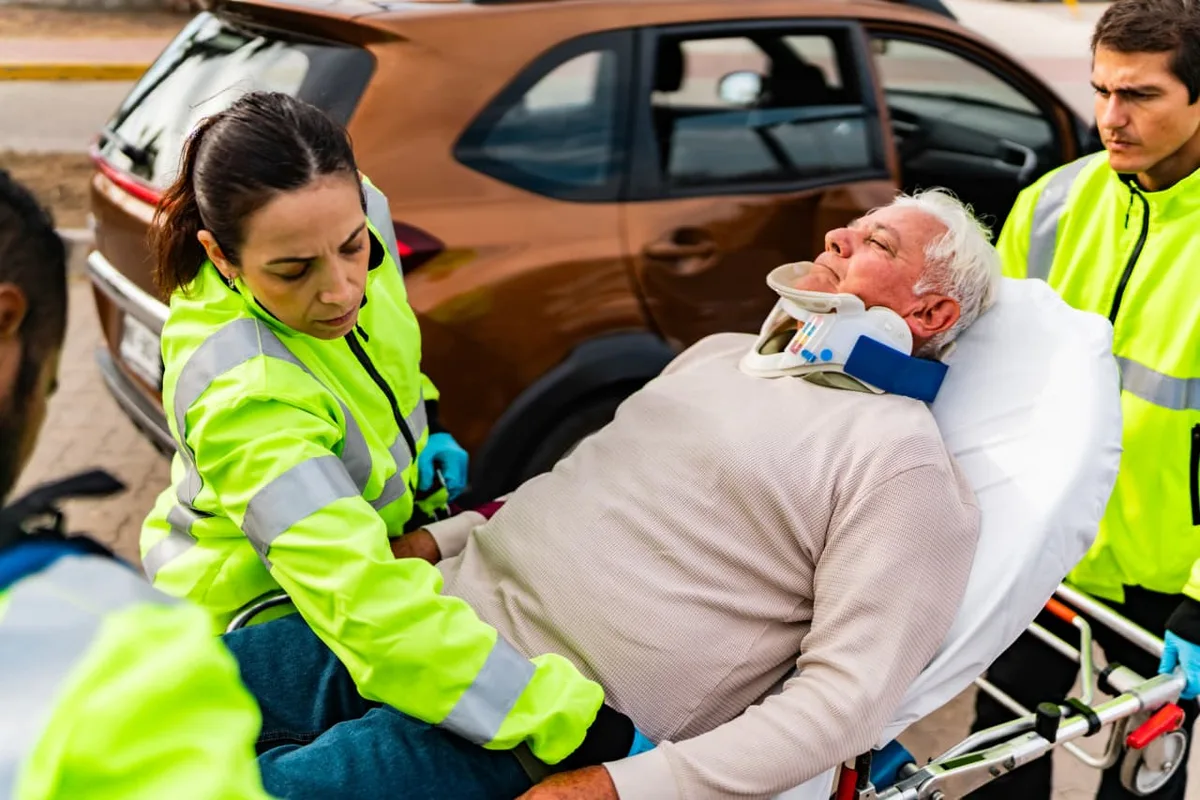
A Medicare beneficiary is facing mounting hospital bills after a teenager ran into their car, raising an urgent question thousands of accident victims confront each year: will Medicare step in when someone else's negligence lands you in the emergency room?
The injured driver notes their vehicle was nearly two decades old and carried only liability and uninsured motorist coverage — not collision coverage — a common cost-saving choice that can complicate financial recovery after a crash. That gap in auto coverage shifts more pressure onto health insurance, and for seniors, that means Medicare becomes the first line of defense.
Read more 30-Year Mortgage Rate Surge Puts 8% Back on the Table →
Medicare generally will cover medically necessary hospital and physician costs regardless of how an injury occurred, but the program's coordination-of-benefits rules add layers of complexity. When a third party — such as the at-fault driver's auto liability insurer — may be responsible for bills, Medicare can make conditional payments and then seek reimbursement once a settlement or judgment is reached. Beneficiaries and their attorneys must notify Medicare and potentially repay those conditional amounts, a step that surprises many accident victims.
Uninsured or underinsured motorist coverage on the victim's own policy can also factor into the equation, potentially providing another source of compensation before Medicare's recovery rights kick in. The interplay between auto insurance, Medicare, and any personal injury claim demands careful navigation, ideally with legal counsel familiar with Medicare Secondary Payer rules — regulations that govern exactly who pays first and how reimbursements flow.
For older Americans on fixed incomes, understanding these rules before an accident occurs could mean the difference between financial stability and a surprise debt to the federal government. Continue reading at MarketWatch.com