Michigan Democratic Senate Primary Hinges on AI and Data Center Fears
Abdul El-Sayed and Rep. Haley Stevens square off in Michigan's Aug. 4 Democratic Senate primary, with AI and data center concerns emerging as pivotal issues.
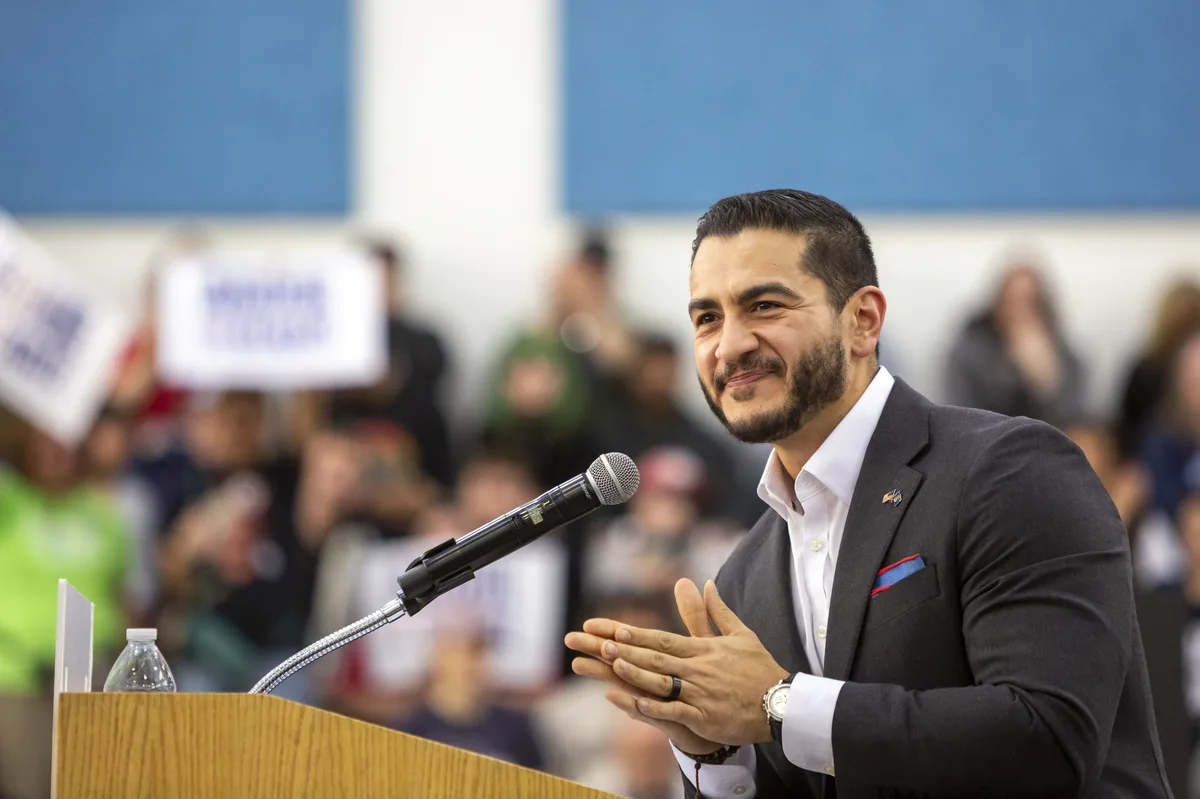
Abdul El-Sayed and U.S. Rep. Haley Stevens are set to clash in Michigan's Democratic Senate primary on August 4, a race that analysts are watching closely as emerging technology policy questions move to the forefront of the campaign.
Artificial intelligence and the rapid expansion of data centers have surfaced as unexpected flashpoints in the contest, reflecting growing voter anxiety over how large-scale tech infrastructure affects local communities — from energy consumption to land use and economic impact.
Read more Michigan Democratic Senate Primary Hinges on AI and Data Center Fears →
El-Sayed, a physician and former Detroit Health Department director, and Stevens, a sitting congresswoman with a background in advanced manufacturing policy, bring sharply different profiles to the race, setting up a substantive debate over how Michigan Democrats should position themselves on the tech industry's accelerating growth.
The primary carries broader national significance: Michigan is considered a competitive general-election state, and the Democratic nominee will need to navigate a coalition that includes labor, progressive, and moderate voters with sometimes conflicting views on economic development and environmental concerns tied to data center proliferation.
Continue reading at US Top News and Analysis.