Moonshot AI Used Nvidia GB300 Chips in Thailand Despite US Export Ban
A White House official says Chinese AI firm Moonshot AI accessed restricted Nvidia GB300 chips through Thailand, raising fresh export control concerns.

A White House official has accused Chinese artificial intelligence company Moonshot AI of accessing Nvidia's advanced GB300 chips through Thailand, circumventing U.S. export restrictions designed to limit China's access to cutting-edge semiconductor technology. The disclosure came shortly after Moonshot AI released its powerful Kimi K3 model last week, prompting scrutiny over how the firm obtained the computing resources needed to train such a capable system.
The allegation points to a growing enforcement challenge for Washington: even as the Biden and Trump administrations have tightened export controls on high-performance AI chips, third-party countries are increasingly becoming conduits that allow Chinese companies to gain indirect access to restricted hardware. Thailand's emergence in this context signals that geography-based workarounds are becoming a significant vulnerability in the existing regulatory framework.
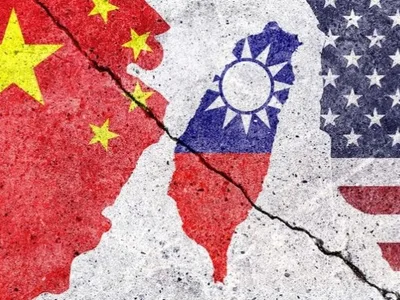
Read more China Launches Taiwan Strait Live-Fire Drills After US-China Talks →
Moonshot AI's Kimi K3 model drew international attention upon its release, positioning the Beijing-based startup as a serious competitor in the global large language model race. The ability to access GB300-class hardware — among Nvidia's most powerful data center processors — would provide a substantial advantage in training frontier AI systems, making the alleged workaround strategically significant beyond just a compliance violation.
The situation is likely to intensify pressure on the Commerce Department and allied governments to close third-country loopholes in semiconductor export control regimes. Analysts have long warned that without broader multilateral coordination, unilateral U.S. chip restrictions risk being undermined by routing shipments through jurisdictions with weaker enforcement capacity or different strategic interests.
Continue reading at CNBC.