Trump Generic Drug Tariffs: Prices, Makers, and Supply at Stake
Trump's proposed tariffs on generic drugs spark debate over cost impacts, U.S. manufacturing shifts, and which drugmakers win or lose.
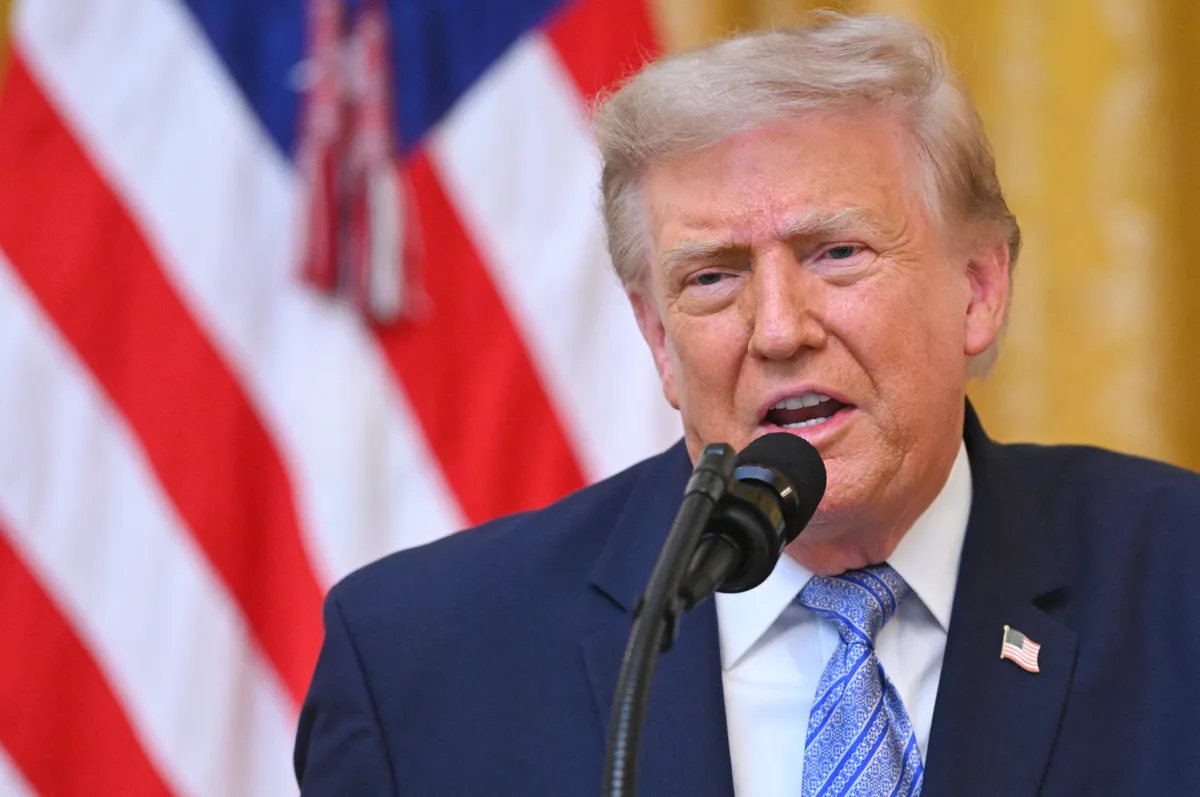
President Donald Trump's push to impose tariffs on generic pharmaceuticals is sending shockwaves through the drug industry, raising urgent questions about what higher import duties could mean for medicine costs, domestic production capacity, and the companies positioned to benefit or suffer most — even as critical details of the plan remain unresolved.
Generic drugs account for the vast majority of prescriptions filled in the United States, and a significant share of those medicines are manufactured overseas, particularly in India and China. Tariffs on imported generics could disrupt that supply chain in ways that ripple directly to pharmacy counters, potentially pushing up out-of-pocket costs for patients who rely on lower-cost alternatives to brand-name treatments.
Read more Crypto PAC Spends $1M in Michigan Democratic Primary Fight →
The proposal has also reignited debate over whether tariff pressure can realistically compel pharmaceutical manufacturers to shift production back to American soil. Rebuilding domestic drug manufacturing infrastructure is a costly, time-consuming undertaking, and industry analysts warn that any near-term disruption to imports could create shortages before new U.S. capacity comes online — a risk that regulators and lawmakers alike would need to weigh carefully.
On the corporate side, the tariff uncertainty is reshaping investor calculations. Drugmakers with established U.S. manufacturing footprints could find themselves at a competitive advantage, while companies heavily dependent on overseas production facilities face potential margin pressure. The ultimate winners and losers, however, will depend largely on the final structure of whatever tariff framework the administration ultimately announces.
Continue reading at US Top News and Analysis