New Mom Weighs Quitting Work to Stay Home for Baby's First Year
A first-time mother questions whether leaving her job for a year is financially wise. Here's what experts say.
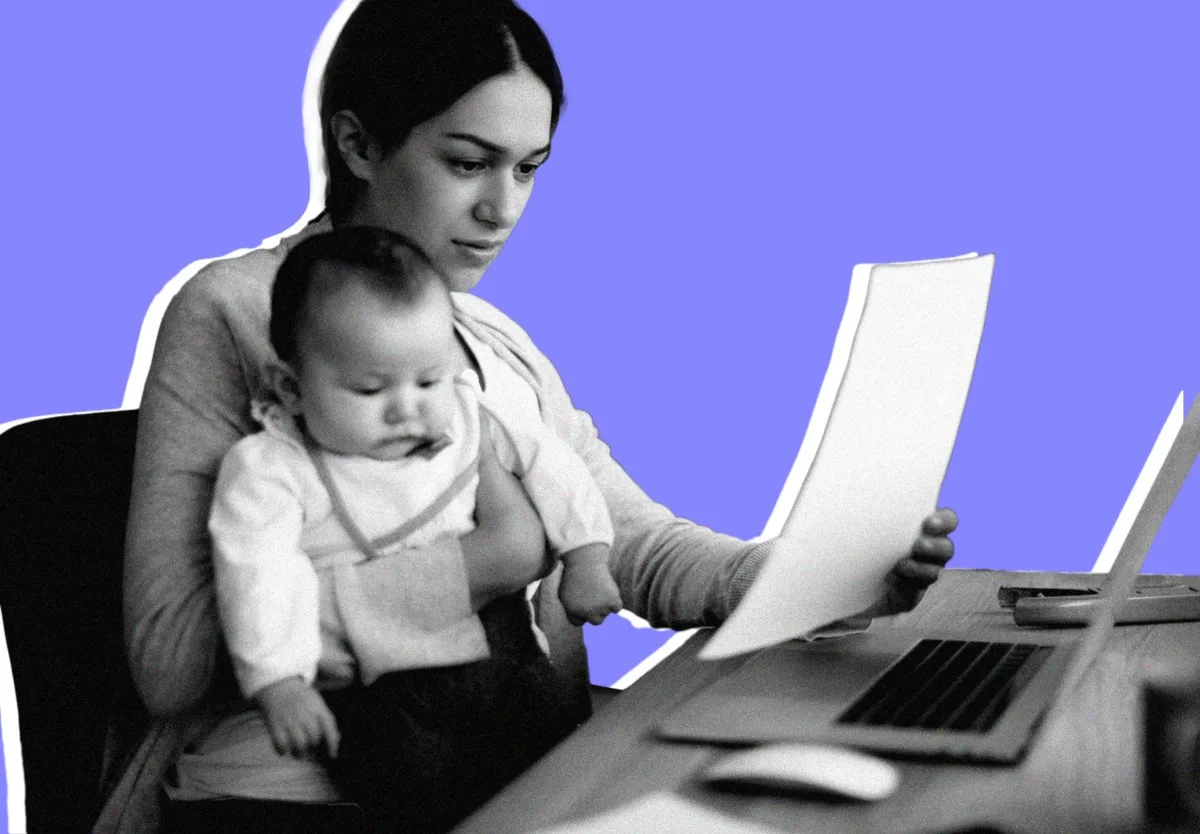
A new mother is wrestling with one of the most emotionally charged financial decisions working parents face: whether to quit her job and stay home during her infant's first year of life, driven by a desire not to miss key developmental milestones.
The question cuts to the heart of a tension millions of American families navigate — balancing the immediate emotional pull of early parenthood against the long-term financial consequences of stepping away from a career. Lost income, paused retirement contributions, and potential gaps in health insurance coverage are among the real costs that can compound quickly over even a single year out of the workforce.
Read more 30-Year Mortgage Rate Surge Puts 8% Back on the Table →
Career interruptions, even brief ones, can carry lasting wage penalties, particularly for women. Research has consistently shown that mothers who take extended leave often return to lower salaries or reduced opportunities for advancement, a dynamic economists have called the "motherhood penalty." The financial hit is not limited to the months away — it can ripple forward for years.
At the same time, the calculus is deeply personal. Childcare costs in many U.S. cities can rival or even exceed a second income after taxes, making staying home an economically rational choice for some families. Budgeting carefully, preserving an emergency fund, and planning a clear re-entry strategy can help soften the financial blow if a parent does choose to step away temporarily.
Anyone considering this move should stress-test their household budget, consult a financial planner, and weigh both the emotional and economic dimensions before making a final call. Continue reading at MarketWatch.com.