Novo Nordisk Sues Eli Lilly Over Allegedly Deceptive GLP-1 Ads
Novo Nordisk filed suit against Eli Lilly, claiming misleading GLP-1 drug advertising, and is seeking a permanent ad ban plus corrective notices.
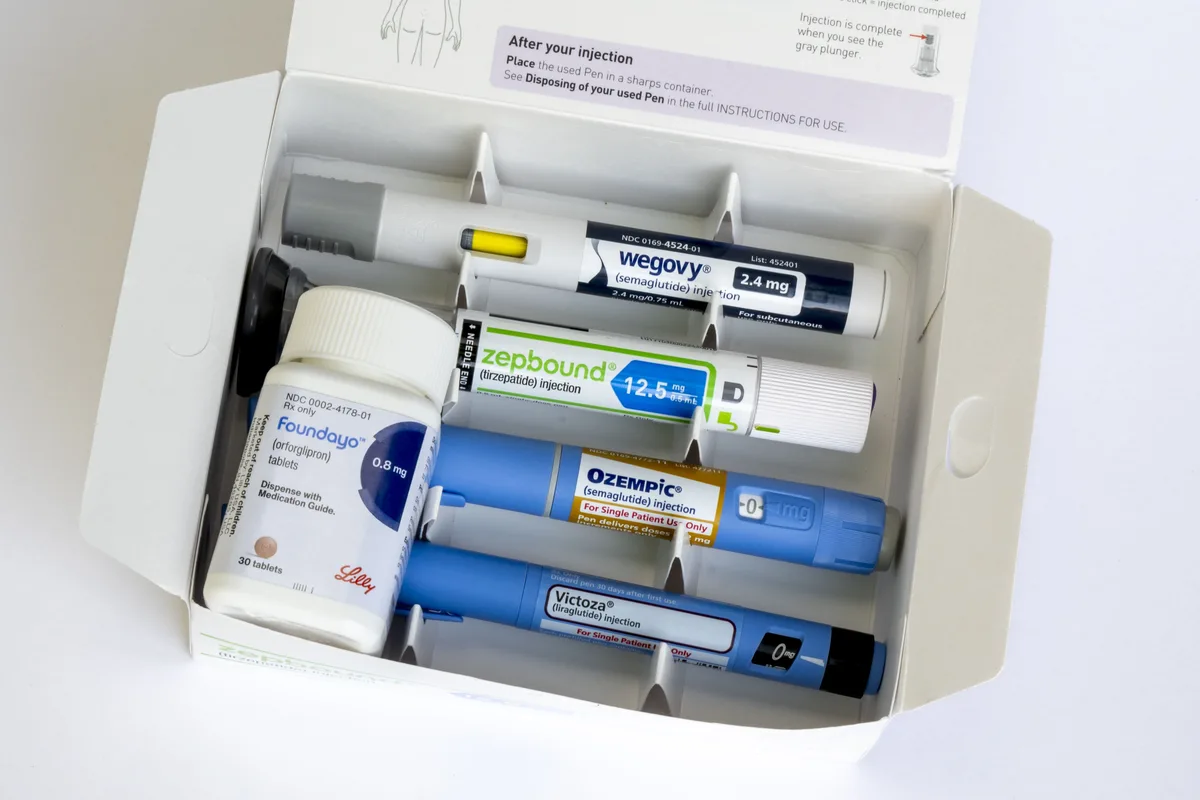
Novo Nordisk launched a federal lawsuit against rival drugmaker Eli Lilly on allegations that Lilly ran deceptive advertising campaigns tied to GLP-1 medications, the blockbuster class of drugs central to both companies' weight-loss and diabetes portfolios. The legal action marks a dramatic escalation of competition between the two pharmaceutical giants as the GLP-1 market expands rapidly across the United States.
At the heart of Novo's complaint is the claim that Lilly's ads mislead consumers or healthcare providers in ways that unfairly distort the competitive landscape. Novo asked the court to permanently bar Lilly from continuing to run the advertising it characterized as deceptive, a remedy that would have immediate commercial consequences for Lilly's marketing strategy.
Read more BlackRock, Ford, Google Join Push to Fill Skilled Trades Gap →
Beyond halting the disputed ads, Novo went a step further, requesting that the court compel Lilly to issue corrective advertising — a measure courts reserve for cases where allegedly false impressions are deemed serious enough to require active remediation rather than mere silence. Corrective advertising orders can be costly and reputationally damaging for the party required to run them.
The lawsuit reflects the intense rivalry shaping the GLP-1 drug sector, where Novo's Ozempic and Wegovy compete directly against Lilly's Mounjaro and Zepbound for dominance in a market analysts project could be worth hundreds of billions of dollars globally within the next decade. Legal battles over advertising claims are increasingly common as pharmaceutical companies fight for prescriber and patient loyalty in high-stakes therapeutic categories.
Continue reading at US Top News and Analysis.