Oil Price Surge Risk Could Revive Recession Alarm Bells
Analysts warn that additional spikes in crude prices may reignite fears of an economic downturn as global demand and supply tensions persist.
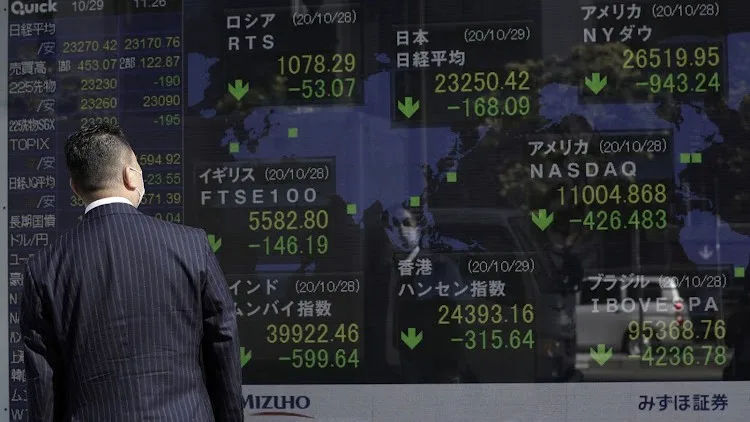
A fresh wave of oil price increases could thrust recession fears back into the spotlight, analysts cautioned, as energy markets remain caught between unpredictable supply constraints and fragile global demand. The warning comes at a moment when consumers and businesses alike are still absorbing the residual pressure of elevated energy costs that have weighed on household budgets and corporate margins.
Oil prices have historically acted as a leading indicator of broader economic stress. When crude climbs sharply, it acts as a de facto tax on consumption — squeezing disposable income for households and raising input costs for manufacturers, freight operators, and retailers. Economists have long observed that sustained energy price shocks tend to compound existing vulnerabilities in an economy, accelerating slowdowns that might otherwise remain contained.
Read more Study: More Than 70% of US Coastlines Are Sinking →
The concern is particularly acute now because central banks in the United States and abroad have spent the past two years hiking interest rates aggressively to tame inflation. That tightening cycle has already slowed growth in key sectors, including housing and manufacturing. A significant new oil shock could tip economies already operating near the edge into contraction territory, leaving policymakers with few palatable options — cutting rates risks reigniting inflation, while holding steady risks deepening any downturn.
Market participants will be watching crude benchmarks closely for signs of sustained upward pressure. Any geopolitical disruption to major producing regions, combined with supply discipline from key exporters, could rapidly shift the outlook. For now, the question is not whether oil markets are volatile — they clearly are — but whether that volatility will prove severe enough and sustained enough to materially alter the global growth trajectory.
Continue reading at Yahoo Finance.