Perpetual Futures Push Wall Street Into 24/7 Trading Reckoning
Perpetual futures are forcing traditional exchanges to confront round-the-clock trading demand as investors increasingly seek continuous market access.
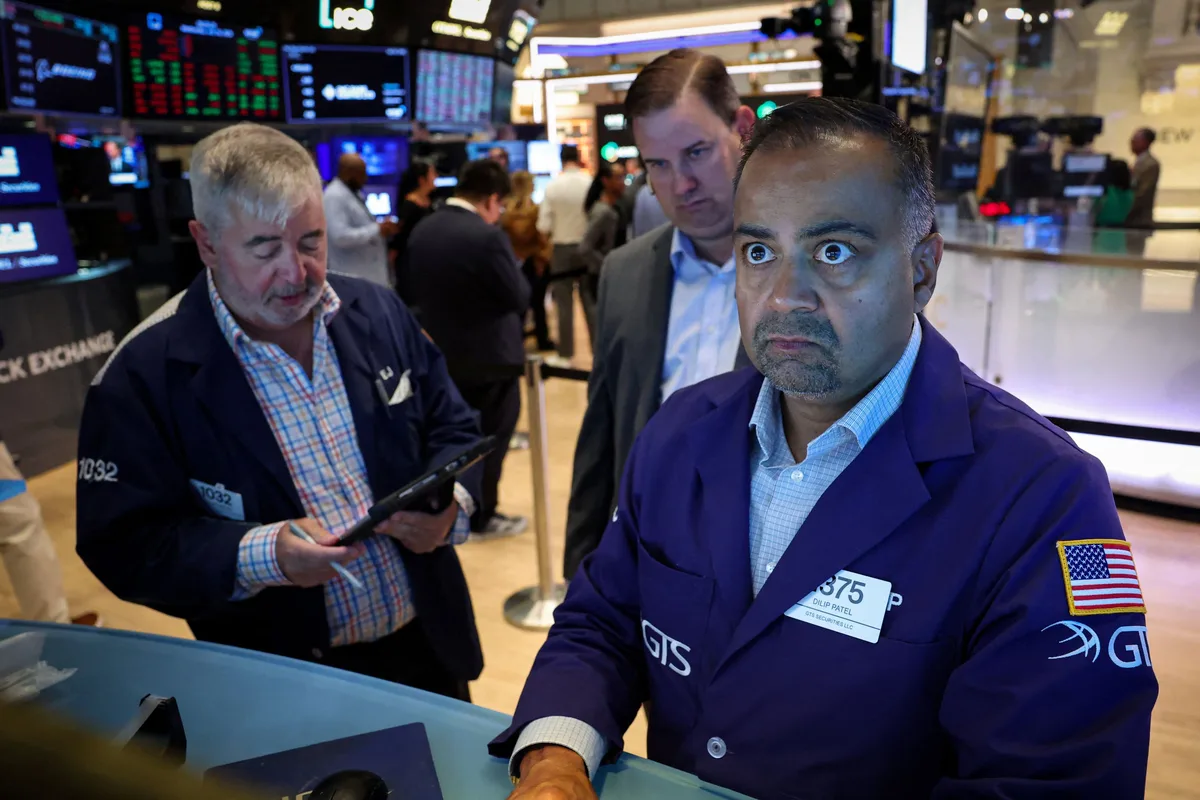
Wall Street is facing a mounting existential challenge as perpetual futures — derivatives contracts with no expiration date — gain traction among investors demanding uninterrupted access to financial markets. The pressure on traditional exchanges, built around fixed trading hours and settlement cycles, has suddenly become urgent as the instruments reshape expectations across the industry.
Known colloquially as "perps," perpetual futures function like conventional futures contracts but never expire, allowing traders to hold positions indefinitely while paying or receiving periodic funding rates. Originally pioneered in the cryptocurrency markets, the structure has demonstrated powerful appeal by eliminating the friction of rolling contracts forward — a routine but costly burden for traders operating in traditional venues.
Read more Anthropic IPO Filing to Flag AI Backlash as Key Risk Factor →
The urgency reflects a broader investor shift toward always-on market participation, a cultural and structural change that legacy exchanges were not designed to accommodate. Established platforms now find themselves weighing costly infrastructure overhauls against the risk of ceding ground to newer, more agile competitors willing to operate around the clock without the constraints of legacy systems or regulatory frameworks built for an earlier era.
Analysts see the rise of perps as more than a product innovation — it represents a fundamental stress test for how American financial markets are organized, regulated, and accessed. If traditional exchanges fail to adapt, they may find a growing segment of sophisticated retail and institutional traders migrating to platforms that already offer the continuous, frictionless exposure that perpetual futures uniquely provide.
The debate over perpetual futures is no longer theoretical. With investor appetite accelerating and competitive pressure intensifying, Wall Street's window to define its response is narrowing fast. Continue reading at US Top News and Analysis.