SCHD and MAIN Placement: Taxable vs. IRA Tax Math Explained
Where you hold dividend ETFs and BDCs like SCHD and MAIN can dramatically affect your after-tax returns.
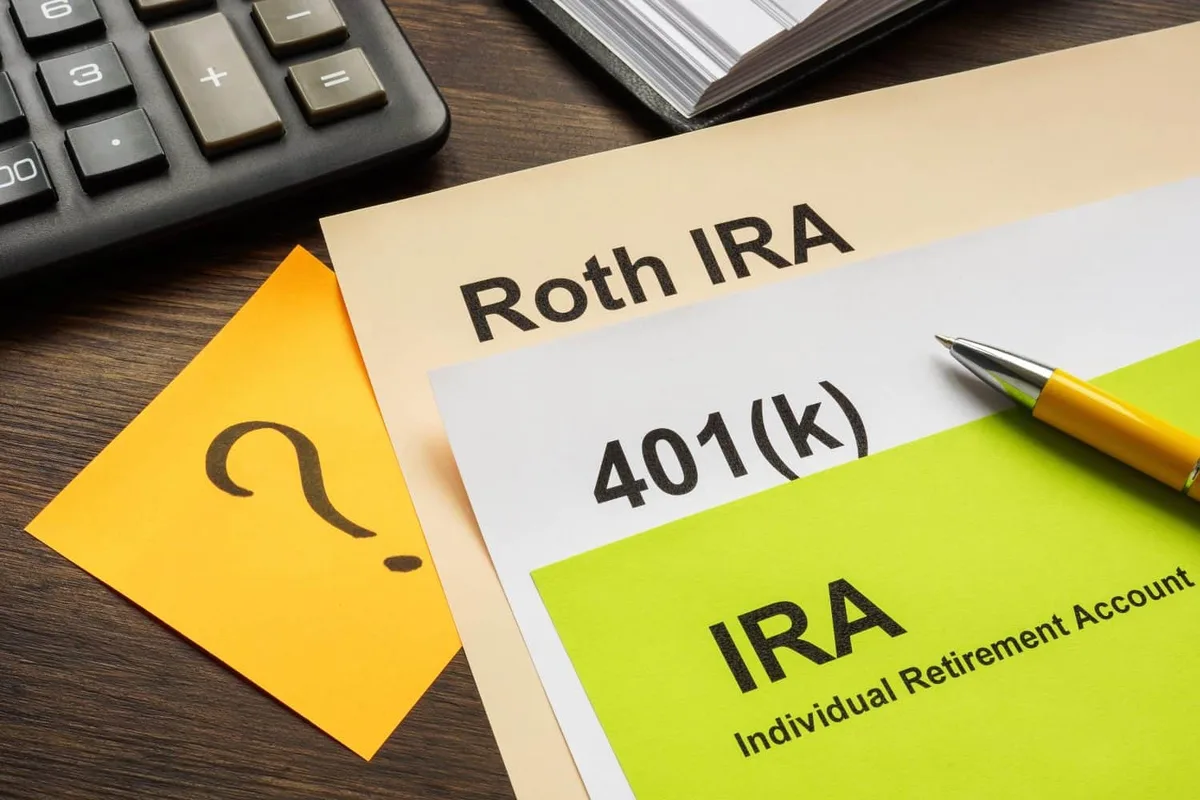
Investors chasing dividend income from funds like Schwab U.S. Dividend Equity ETF (SCHD) and Main Street Capital (MAIN) often overlook a critical variable: the account type holding those assets. Whether you park income-generating securities in a taxable brokerage account or a tax-advantaged IRA can meaningfully shift how much of that yield you actually keep, according to a Yahoo Finance analysis.
SCHD distributes qualified dividends, which are taxed at preferential long-term capital gains rates — 0%, 15%, or 20% depending on your income bracket — when held in a taxable account. That relatively favorable treatment means some investors, particularly those in lower brackets, may not lose much by holding SCHD outside a retirement account. The calculus changes sharply for higher earners, however, where sheltering those dividends inside a traditional or Roth IRA can protect a meaningful slice of each distribution.
Read more 30-Year Mortgage Rate Surge Puts 8% Back on the Table →
MAIN presents a different wrinkle. As a business development company, Main Street Capital pays distributions that are largely classified as ordinary income rather than qualified dividends, subjecting them to the investor's marginal tax rate in a taxable account. That distinction makes MAIN a stronger candidate for IRA placement, where ordinary income distributions are either deferred (traditional IRA) or eliminated entirely (Roth IRA). Holding a high-yield ordinary-income payer in a taxable account is one of the more common — and costly — placement mistakes income investors make.
The broader principle at play is asset location, a strategy that pairs each investment's tax character with the account type best suited to shelter it. Qualified-dividend payers have more flexibility across account types, while ordinary-income generators almost always belong behind the tax shield of a retirement account. Investors with both taxable and retirement accounts have a structural advantage if they deploy this logic deliberately rather than defaulting to convenience.
Continue reading at Yahoo Finance.