Tesla FSD vs. Rivian Autonomy+: A Hands-Free Driving Comparison
A first-hand test of Tesla FSD and Rivian Autonomy+ reveals key differences in capability and safety guardrails between the two systems.
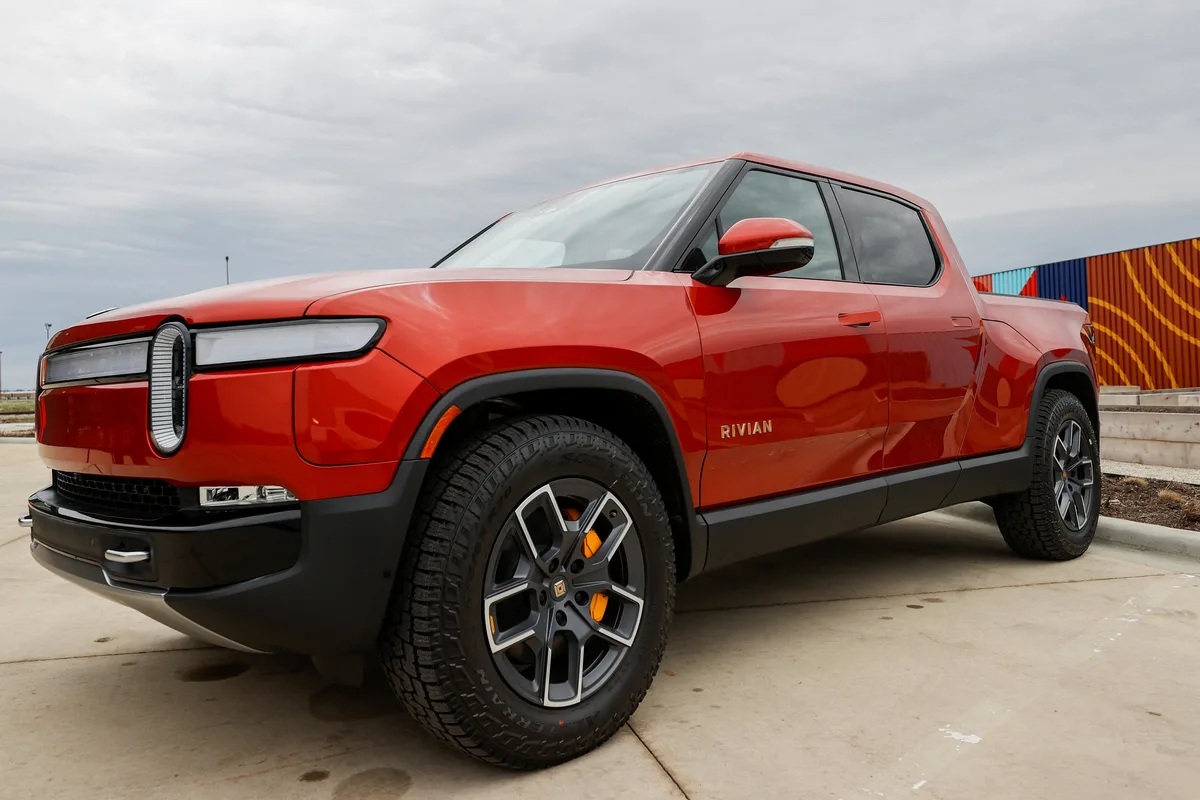
Rivian is making a direct push to close the gap with Tesla in the hands-free driver assistance market, but the two electric vehicle giants are taking notably different approaches to how they keep drivers safe behind the wheel. A real-world comparison of Tesla's Full Self-Driving system and Rivian's Autonomy+ feature highlights both the progress Rivian has made and the safety philosophy setting it apart from Elon Musk's company.
Tesla's FSD has long been regarded as one of the most advanced consumer-facing autonomous driving systems on the market, giving it a significant head start over newer entrants like Rivian. The system's broad rollout across Tesla's vehicle lineup has allowed it to accumulate substantial real-world driving data, which has historically been a key advantage in refining automated driving performance.
Read more 53-Year-Old Lawn and Garden Company Files for Chapter 11 →
Rivian's Autonomy+, however, is entering the space with additional safety guardrails that Tesla's system does not incorporate. This distinction suggests Rivian is prioritizing a more cautious, structured approach to hands-free driving — a strategy that could appeal to consumers and regulators who remain skeptical about the risks associated with more permissive autonomous systems.
The competition between these two systems reflects a broader tension in the EV and autonomous driving industries: how aggressively should automakers push the boundaries of driver assistance technology versus how carefully should they gate those capabilities behind proven safety measures? Rivian's approach signals that not every company believes Tesla's open-throttle strategy is the right path forward.
As both systems continue to evolve through over-the-air software updates, the gap between them will likely shift in real time, making ongoing comparisons essential for consumers weighing their next electric vehicle purchase. Continue reading at US Top News and Analysis.