Trump Reinstates Iran Blockade, Imposes 20% Strait of Hormuz Fee
President Trump announced a reinstated blockade on Iran and a 20% charge on cargo passing through the Strait of Hormuz, a critical global oil route.
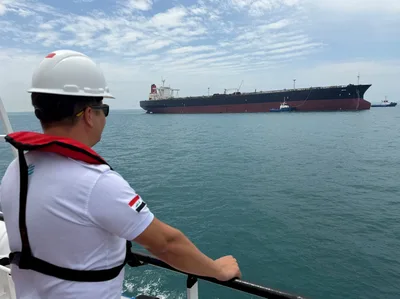
President Donald Trump declared Wednesday that the United States has reinstated a blockade on Iran and will impose a 20% charge on all cargo transiting the Strait of Hormuz, one of the world's most strategically vital shipping corridors, through which a significant share of global oil supplies flow daily.
The announcement marks a sharp escalation in U.S. pressure on Tehran, reviving aggressive economic and maritime measures that could send shockwaves through global energy markets. The Strait of Hormuz connects the Persian Gulf to the Gulf of Oman and serves as the primary export route for oil produced by Iran, Saudi Arabia, Iraq, Kuwait, and the United Arab Emirates.
Read more Wall Street Transfer Agents Warn SEC on Third-Party Token Risks →
A 20% transit fee, if enforced, would represent an unprecedented unilateral toll on international shipping lanes, raising immediate questions about legal authority under international maritime law and likely drawing fierce opposition from major trading nations and energy importers worldwide. Analysts warn such a move could significantly inflate global oil prices and disrupt supply chains at a time when markets are already navigating uncertainty.
The reimposition of an Iran blockade signals a return to maximum-pressure tactics that defined Trump's first term foreign policy toward Tehran, though the addition of a transit levy targeting all Hormuz cargo — not solely Iranian vessels — broadens the scope considerably and could affect allies and adversaries alike.
Continue reading at Reuters.